

Malbec






Malbec

Armonia Rosé
2022
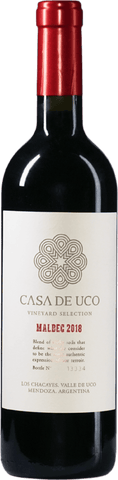
Vineyard Selection Malbec
2019

Travesia Malbec
2019


El Salvaje Orgánico Malbec
2024

Flora y Fauna Malbec
2018
Flora y Fauna Malbec
2020


Malbec – from French Classic to Argentine Cult Wine
Malbec - that's power with style. Dark, deep, juicy. A grape variety that doesn't beg for attention but simply gets it. On the nose, black fruits; on the palate, a robust grip; on the finish, a subtle hint of chocolate. Whether you're looking for Malbec online to crown your steak or simply crave powerful red wines - here you'll find the full spectrum of this character.
Malbec - Introduction to the Grape Variety
Malbec is one of the most intense red wine varieties in the world. Originally from France, it is now a symbol of Argentine passion. The wine is known for its deep color, velvety mouthfeel, and aromas of plum, blackberry, and violet. When you buy Malbec, you choose structure, expression, and personality. Whether you love powerful wines or are looking for the perfect BBQ companion - Malbec is always a statement in the glass.
Biology of the Grape / Ampelography
Malbec is an old French red grape variety, also known as Côt or Pressac. It originated in southwestern France, where it was at home in Bordeaux and Cahors. The berries are small, round, and blue-black, with a thick skin - this provides intense color and powerful tannins. The grape variety buds early and ripens mid-early to late. Its physiological ripeness is crucial: only with sufficient sun and warmth does it develop its full aromatic spectrum. Sensitive to late frosts, but thankful when grown in dry, warm regions. Typically, it has a robust acidity profile that brings structure and tension to the glass.
Climate, Soil & Growing Conditions
Malbec loves warmth, light, and high altitudes. The best qualities emerge in regions with hot days and cool nights - this keeps fruit and acidity in balance. Calcareous or gravelly soils promote elegance and minerality, while clay soils bring volume and richness. In barren, stony sites, the aromas are more concentrated, and the grapes develop their distinctive scent of dark fruits and spices. The higher the vineyard, the more precise the wine. It's no wonder that Argentine winemakers in Mendoza plant their vines up to 1,500 meters in altitude – this yields Malbecs with depth, freshness, and astonishing balance.
Aging, Style & Typical Character
Malbec is a wine with presence. Almost black in the glass, with a violet shimmer. On the nose, plum, blueberry, black cherry - along with chocolate, mocha, sometimes tobacco or violet. On the palate, powerful but smooth. The tannins are dense and fine, the acidity moderate, the texture almost creamy. In barrique, Malbec gains additional depth, developing notes of vanilla, smoke, and cedar. Young Malbecs often appear juicy and fruit-driven, while aged examples evoke leather, truffle, and licorice. The style varies greatly: French Malbec from Cahors shows more structure and spice, while Argentine Malbec offers pure fruit, richness, and drinking pleasure.
Famous Growing Regions & Regional Characteristics
France is considered the original home of Malbec - especially the Cahors region, where it is known as Côt. There, wines with rustic charm, robust tannin structure, and earthy depth are produced. But its true global career began in Argentina. In Mendoza, particularly in the Uco Valley and Luján de Cuyo, Malbec found its paradise: intense sun, high altitudes, cool nights. These conditions produce wines that are denser, more aromatic, and at the same time more elegant than ever before. Today, Argentina accounts for over 70% of global Malbec production - a synonym for quality and character. In addition, exciting varieties can be found in Chile, South Africa, and Australia - each with its own signature, depending on the terroir.
Grape Variety at Vioneers - Relevant Wineries / Collections
At Vioneers, you'll find hand-picked Malbec wines from wineries that are true pioneers of this grape variety. Particularly recommended is the Casa de Uco winery from Argentina's Uco Valley. Here, wines with a clear origin character are produced – such as the "Flora y Fauna Malbec" or the "Vineyard Selection Malbec." Both demonstrate how high altitude and terroir elevate the variety to a new level. The Bodega Dos Hemisferios from Ecuador also interprets Malbec in a fascinating way: The "Travesía Malbec" brings tropical warmth and Andean freshness together - dense, juicy, and with a unique elegance. At Vioneers, you can discover, compare, and order Malbec online - from mineral to opulent, from elegant to powerful.
FAQ - Frequently Asked Questions about the Grape Variety
Is Malbec also produced as a single varietal?
Yes, Malbec is mostly vinified as a single varietal today - especially in Argentina. In France, it is occasionally found as a blending partner, for example in Bordeaux. Single varietal Malbec best expresses the depth, color, and spice of the grape.
When is the ideal harvest time?
The perfect harvest time is late - Malbec benefits from a long ripening period. Only when the grapes fully ripen does the typical balance of fruit, acidity, and tannin develop. In the Andes, harvesting often takes place as late as April, when the nights are already cool and the days dry.
What foods pair well with Malbec?
Malbec is perfectly suited for hearty dishes: steak, lamb, game, or aged cheese. It's also ideal for grilling or BBQ, as its structure stands up to roasted flavors. In its more elegant form, it also pairs well with truffle pasta or mushroom risotto.
How long can Malbec be stored?
A high-quality Malbec can age for ten years or more. With increasing age, notes of leather, tobacco, and dark chocolate develop. It remains structured without losing freshness. Especially Malbecs from high altitudes show impressive aging potential.
What does the acidity profile mean for Malbec?
The acidity profile describes how lively the wine appears. Malbec has a moderate acidity that emphasizes its fruit and gives it balance. In higher altitudes, it shows more freshness and tension, while in warm regions, it shows more richness and softness. This interplay makes it so versatile.