
Entdecke das Weinland Ecuador.
wine from Ecuador

The DOS HEMISFERIOS trial package


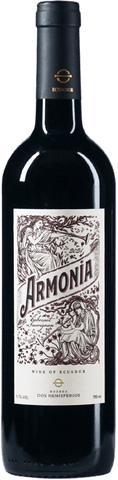
Armonia Cabernet Sauvignon
2021

Travesia Cabernet Sauvignon
2015
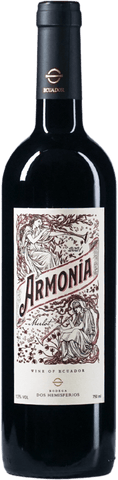
Armonia Merlot
2021

Tomás Carlos
2019

Armonia Rosé
2022

Armonia Chardonnay

Admiral
2017

Enigma Chardonnay
2021

Paradoja
2018

Travesia Malbec
2019

Bruma
2023


Ecuador - Wine Beyond the Equator
Ecuador is a wine-producing country that one might not immediately expect – and that is precisely what makes it so fascinating. Located directly on the equator, its high altitudes, oceanic influence, and tropical power create a distinctive wine style. Wine from Ecuador tells a story of unusual terroir, of soils and climate that are different from classic wine-growing regions – yet reveal origin, diversity, and character in every bottle. For those willing to explore off the beaten path, here you will find wines with soul and substance.
History & Significance of Viticulture
Viticulture in Ecuador is a young chapter in the world of wine – a country that only in recent decades found the courage to experiment with vines where tropical sun and ocean breeze meet. In regions like Guayas and on the Pacific coast, ambitious winemakers are showing that viticulture is possible where it was long thought impossible. While no firmly established appellations exist yet, it is precisely this pioneering spirit that characterizes Ecuadorian viticulture: young, innovative, full of energy, and free from rigid rules. The result is wines that prioritize authenticity over convention – shaped by origin and craftsmanship.
Climate, Soils & Terroir Influences
Ecuador's climate creates conditions rarely found elsewhere in viticulture: tropical sun, high altitudes, and proximity to the sea converge here. In the vineyards near the coast, the cool Humboldt Current tempers the tropical heat, providing welcome freshness at night. The soils are crisscrossed with limestone, sand, and volcanic rock – a terroir that imparts structure, minerality, and depth. The vines root deeply, water is scarce, and the sun ensures concentrated, aromatic grapes. These natural contrasts produce wines that combine balance, tension, and origin – full of expression and character.
Typical Grape Varieties & Wine Styles
Ecuador is still a young star in the wine sky, but its wines already possess a clear signature. They are characterized by ripe fruit, vibrant freshness, and a remarkable balance between warmth and elegance. Red grape varieties such as Cabernet Sauvignon or Merlot show an exotic side in Ecuador – with dense fruit, supple tannins, and fine spice notes. Among the white wines, Chardonnay particularly impresses with yellow fruit, delicate vanilla, and a mineral core. The spectrum ranges from full-bodied, sun-drenched red wines to elegant white wines with saline freshness – a style that is not copied but is distinct.
Wine Regions & Appellations
The focus of Ecuadorian viticulture is in the west of the country, around the coastal region of Guayas. Here, an exceptional microclimate prevails, where tropical heat meets sea breezes. This combination of light, wind, and mineral-rich soils creates ideal conditions for aromatic, balanced wines. Further inland, high altitudes are also being tested – always in search of the perfect balance between ripeness and freshness. There are no protected designations of origin yet, but the term "wine from Ecuador" has long stood for curiosity, terroir awareness, and the pursuit of quality beyond the beaten path.
Wines from Ecuador at Vioneers - Relevant Wineries
At Vioneers, you will find Bodega Dos Hemisferios, a winery that brings modern Ecuadorian viticulture to life with every bottle. The vines grow not far from the Pacific, in a climate that offers both tropical warmth and maritime freshness. The winery works with great artisanal precision to produce wines that combine clarity, depth, and elegance. Each vintage is a statement that wine, even near the equator, can be not only possible but fascinatingly different. Dos Hemisferios stands for pioneering spirit, authenticity, and the new voice of South American viticulture.
Conclusion
Ecuador demonstrates how diverse and surprising the wine world can be. Here, wines are created that neither imitate tradition nor follow trends, but rather forge their own path – shaped by the sun, wind, and the power of nature. They are young but serious, exotic but structured. For those seeking wines with character, depth, and origin, Ecuador offers a country full of possibilities. At Vioneers, you can discover this new facet of South America – wines that inspire curiosity, move, and leave a lasting impression.