

wine from Argentina






wine from Argentina

El Salvaje Orgánico Malbec
2024

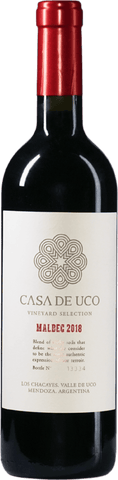
Vineyard Selection Malbec
2019
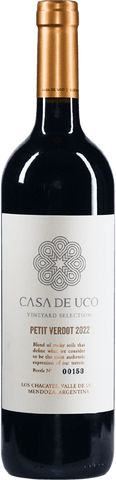
Vineyard Selection Petit Verdot
2022

The CASA DE UCO tasting package

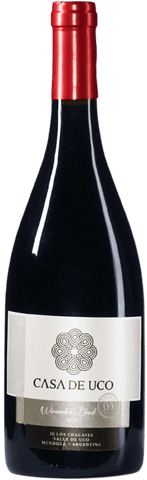
Winemakers Blend
2019

El Salvaje Skin Contact
2023

Flora y Fauna Malbec
2018
Flora y Fauna Malbec
2020

El Salvaje Orgánico Sauvignon Blanc
2025


Argentina - Wine from Andean Heights
Argentina is a country with wine in its blood. Between the rugged peaks of the Andes and the sprawling plains in the west of the country, wines are produced that embody energy, sun, and cool precision all at once. The tension between altitude, dryness, and intense sunlight shapes wines with clear expression and a distinct character. When one drinks an Argentinian wine, one immediately feels this balance of power, depth, and subtle elegance – a style that stands entirely on its own.
History & Significance of Viticulture
The roots of Argentinian viticulture date back to the 16th century when Spanish missionaries brought the first vines to the country. Over centuries, what was purely a subsistence culture developed into a wine industry that is now one of the most significant in the world. For a long time, Argentinian wine was an insider's tip among connoisseurs – rustic, honest, with strong regional ties. It wasn't until the 1990s that a profound change began: new cellar techniques, more precise harvesting, and targeted work in high altitudes. Since then, the country has evolved from a mere producer of powerful everyday wines to a true terroir ambassador. Today, Argentina is considered a symbol of modern South American viticulture – shaped by tradition, yet with an open eye for innovation.
Climate, Soils & Terroir Influences
Argentina is a land of extremes – and that is precisely what makes its wines so unmistakable. Most vines grow at altitudes between 800 and 1,500 meters, some even at over 2,000 meters. During the day, the sun blazes, and at night, the wind from the Andes noticeably cools the grapes. This interplay of heat and cold ensures intense aromas while preserving freshness and structure. The soil is barren, often interspersed with sand, gravel, and volcanic rock – ideal for curbing deep-rooted vines and producing concentrated, mineral wines. Water is scarce, irrigation precise – not a drop is wasted here. The result is wines that speak of clarity, tension, and origin in one breath.
Typical Grape Varieties & Wine Styles
If there is one grape variety inextricably linked with Argentina, it is Malbec. Originally from France, it has found a new home in the heights of the Andes – with deep dark color, ripe fruit, and a velvety texture that is unparalleled. Malbec stands for the archetypal Argentinian red wine: powerful, spicy, yet never heavy. In addition, varieties such as Cabernet Sauvignon and Merlot shape the style of many wineries – they bring structure, depth, and a touch of noble rigor to the game. On the white side, two faces emerge: Chardonnay delivers elegant wines with ripe fruit, fine creaminess, and cool minerality, while the indigenous Torrontés stands for aromatic, floral white wines with an exotic touch. This varietal diversity – combined with the altitude and the meticulous handiwork of the winemakers – makes Argentina one of the most exciting wine countries in the southern hemisphere. Here, no interchangeable wine is produced, but pure character.
Wine Regions & Appellations
The heart of Argentinian viticulture beats in Mendoza – a region located at almost 1,000 meters above sea level, forming the backbone of the wine country with over 60% of national production. Around Luján de Cuyo and the Uco Valley, wines with structure and depth are produced – often characterized by Malbec and Cabernet Sauvignon. Further north, in Salta, vines grow on the highest vineyards in the world. The more intense sun exposure produces concentrated, aromatic wines that nonetheless retain freshness. In the far south, Patagonia's cooler climate provides finely structured, elegant red and white wines with restrained fruit and a clear profile. All these regions share one principle: wine as an expression of origin. No other South American country so precisely combines climate, altitude, and winemaking craftsmanship into a style that radiates both energy and balance.
Wines from Argentina at Vioneers – Relevant Wineries
With Casa de Uco, Vioneers presents a winery that exemplifies modern Argentinian viticulture. Located in the heart of the Uco Valley, Casa de Uco works at over 1,200 meters above sea level with the utmost respect for nature and terroir. The wines show what is possible when precision meets passion: deep, clear, mineral – and yet with that South American warmth that makes Argentina so unmistakable. Each wine is an expression of its location, each glass a piece of the Andean landscape – concentrated, elegant, and authentic.
Conclusion
Argentina stands for wine with a soul. The combination of extreme altitude, barren earth, and passionate winemaking creates wines that are not loud but evocative. Whether powerful Malbec, finely nuanced Chardonnay, or aromatic Torrontés – each wine tells of the vastness of the country and the clarity of its landscape. Those seeking wines that combine origin, character, and balance will find in Argentina a country that knows its roots and cultivates them with modern precision. Not loud, not intrusive – but unforgettable.