

Merlot






Merlot
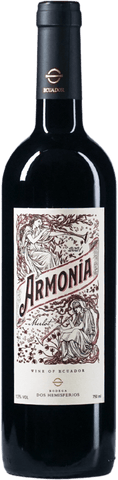
Armonia Merlot
2021
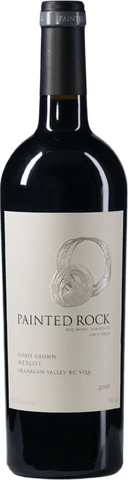
Merlot
2016

Cuvée Emma Rouge
2022

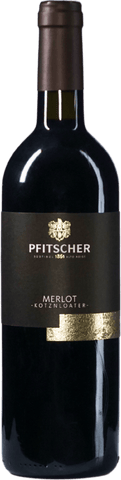
Merlot Kotznloater
2015

Volta di Bertinga Toscana Rosso
2016

Chateau La Fleur de Gay Pomerol
2012

Merlot
2020

Podalirio
2020
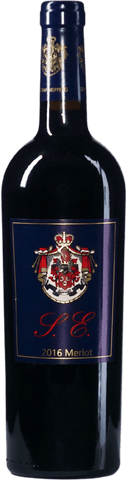
SE Merlot
2016

Palafreno
2015

Merlot Hades Reserve
2018
Podalirio
2022


Merlot - Gentle Charm with Depth
Merlot is like a good listener: soft in demeanor, but with character and substance. The grape variety is considered the epitome of smooth red wines – round, velvety, and full of aromatic depth. Originally from France, it has long since conquered the entire world – from California to Canada, from Tuscany to the Palatinate. Merlot stands for accessibility, elegance, and balance – for wines that appeal equally to beginners and connoisseurs.
Biology of the Grape / Ampelography
Merlot belongs to the Cabernet family and is a cross between Cabernet Franc and Magdeleine Noire des Charentes. Its berries are medium-sized, round, and deep blue – with thin skin and juicy pulp. This results in moderate tannins, a soft texture, and a sensual mouthfeel. Merlot ripens earlier than Cabernet Sauvignon, thus achieving optimal phenolic ripeness even in cooler climates. Typical characteristics include a dark red color with violet reflections and an aroma reminiscent of plums, black cherries, and delicate herbs.
Climate, Soil & Growing Conditions
Merlot loves a moderate, slightly warm climate and calcareous soils. Too much heat makes the wines appear broad, while too cool locations prevent the full development of aromas – balance is crucial. In Europe – especially in southwestern France – the variety thrives ideally on loamy-calcareous soils. Internationally, it proves adaptable: in California (Napa Valley), Canada (Okanagan Valley), and Chile, it produces lush, fruit-intensive wines, while in northern Italy (Friuli, Tuscany), it appears more elegant and structured. German winemakers, especially in the Rheingau and Nahe, are increasingly planting Merlot in warmer sites – with surprisingly sovereign results.
Aging, Style & Typical Character
Merlot stands for a velvety texture and delicate fruit. Its aromas range from ripe plums, blackberries, and cherries to hints of chocolate, tobacco, and laurel. Aged in stainless steel tanks, it remains fruit-driven and fresh; in barriques, it develops depth, richness, and spicy complexity. Its acidity is usually moderate, the tannins round and silky – which makes it so appealing. In Bordeaux, Merlot is part of legendary cuvées, where it contributes structure and softness; as a varietal wine, it demonstrates how strong elegance can be in character. Good Merlots also have considerable aging potential – over the years, they become smoother, denser, and more aromatically complex.
Famous Growing Regions & Regional Characteristics
The heart of Merlot still beats in Bordeaux, especially on the Right Bank (Pomerol, Saint-Émilion) – where some of the world's most famous wines are produced. But the grape variety has long since emancipated itself globally. In California, Chile, and Argentina, modern interpretations with juicy fruit, silky texture, and ripe spice are created. Canada surprises with fresh, cool Merlots from the Okanagan Valley – focused and precise. In Europe, Italian variants from Tuscany and Friuli impress with elegance and structure. Germany has caught up in recent years: particularly in warmer regions such as Rheinhessen, Baden, and Nahe, charming, fruit-driven Merlots with a clear signature and remarkable depth are being produced.
Grape Variety at Vioneers - Relevant Wineries / Collections
At Vioneers, you will find Merlot in its full international range: The Californian Long Meadow Ranch stands for dense, finessed wines with Californian sun and precise acidity. From Canada, Painted Rock Estate Winery impresses with powerful but balanced Merlot from the Okanagan Valley – intense, elegant, and mineral all at once. From Germany, the traditional Weingut Prinz Salm brings a finely woven, regionally influenced Merlot that surprises with elegance and delicate fruity richness. Each of these winemakers shows how versatile and exciting Merlot can be – from the Old World to the New.
FAQ
Is Merlot harsh?
No, on the contrary: Merlot is known for its soft, round nature. It has gentle tannins and a smooth structure – ideal for connoisseurs who prefer elegant, but not too strong red wines.
How can you recognize a typical Merlot?
Typical aromas include plum, black cherry, blackberry, and a hint of herbal spice. Good Merlots combine fruitiness with a fine structure and a velvety finish.
Is Merlot usually vinified as a single varietal?
In the Old World (especially Bordeaux), Merlot is often part of a cuvée, usually with Cabernet Sauvignon. In the New World, however – for example in California, Chile, or Canada – it is more frequently vinified as a single varietal.
What dishes pair well with Merlot?
Merlot is versatile: it harmonizes with pasta, lamb, poultry, and grilled vegetables, as well as with mature cheese or dark chocolate. Its velvety structure makes it a true all-rounder at the table.
How long can Merlot be stored?
Good Merlots age five to ten years, top wines significantly longer. With increasing maturity, they develop notes of leather, truffle, and chocolate – a delight for patient wine lovers.