

For millennia, wine has been an important component of various cultures, producing many different varieties over time. Each of these varieties has its own characteristic features that make it unique. From classic red and white wines to dessert wines or natural wines, all differ in their production process and flavor profile. In this blog post, we will take a detailed look at the different types of wine to better understand their unique characteristics.

Red Wine
Red wine is a noble and complex wine variety, captivating with its deep red color and full-bodied taste. Red wine is made from red grapes, which are first destemmed and crushed after harvesting, then fermented in the must. The skins and seeds of the grapes are left in contact with the must to extract color and aromatic compounds. Red wine matures in oak barrels or stainless steel, developing complex aromas of fruit, spices, tobacco, and wood over time.
The taste of red wine varies depending on the variety and origin, but typical characteristics include a high tannin structure, a full body, and a long-lasting, complex aroma. Therefore, it is often served with meat dishes and cheese and should be stored at room temperature.
Overall, red wine is a type of wine that requires special care and experience in its production but rewards with a variety of aromas and nuances that make it an incomparable experience. Discover our red wines here.

White Wine
White wine is one of the noblest types of wine, characterized by its light color and its fruity and fresh aromas.
The production of white wine requires great sensitivity and precision to optimally preserve the natural aromas and acids of the grapes. For production, white or red grapes are used, from which the skin is removed after harvesting. This leads to a lighter color and a lighter body than red wine. After harvesting, the grapes are gently pressed, and the must is fermented at controlled temperatures to achieve an optimal aroma and acid yield.
Depending on the variety and origin, the nuances of white wine vary, but it often shows notes of citrus fruits, tropical fruits, peaches, or apples. When tasted, it convinces with its fresh acidity, which gives it a lively and invigorating flavor profile.
White wine can be enjoyed as an aperitif, but it also goes perfectly with light dishes such as fish, seafood, or salads. For maximum flavor development, the wines should be served and stored chilled. Discover the diversity of our white wines here.

Rosé Wine
Rosé wine is an elegant and refreshing type of wine, known for its gentle color and fruity aromas. Unlike red wine, the grape juice is only briefly in contact with the grape skin during production, which results in the light pink color and a lighter body compared to red wine.
Depending on the grape variety and growing region, the taste of rosé wine varies, but it often presents a delicate balance of fruitiness and acidity, accompanied by a subtle scent of berries, rose petals, or peaches. The requirements for rosé wine production are similar to white wine, with the amount and duration of maceration varying and being crucial for the wine's taste. A special specialty is rosé wines produced using the "Saignée" method. Here, the juice is bled off from red wine grapes to achieve a more intense color and an even more pronounced aromatic profile.
For rosé wines, as with white wines, it is recommended to serve and store them chilled. They are excellent companions to light dishes such as salads, pasta, or grilled fish and vegetables. Rosé wines are also becoming increasingly popular as an aperitif or summer wine and are an excellent choice for connoisseurs who prefer a fresh and fruity wine. Discover the best rosé wines from family-run wineries here.
Dessert Wine
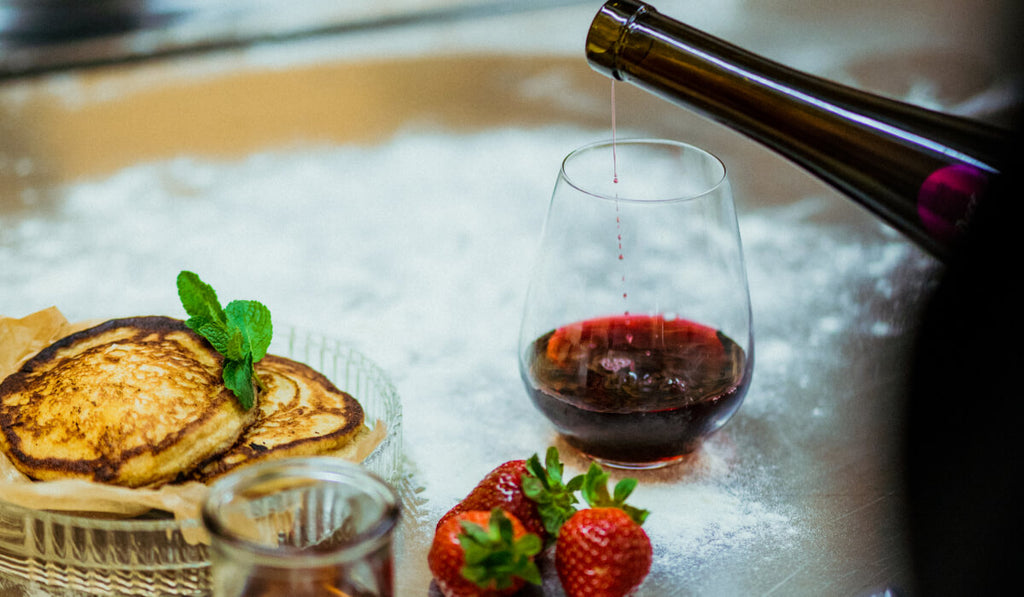
Dessert wines are a special and noble type of wine, characterized by a high residual sugar content and intense aromas. To preserve their natural sweetness, the grapes are often harvested later and matured under special conditions.
The production of dessert wines requires a lot of patience and craftsmanship. Depending on the variety and growing region, the drying time of the grapes can be extended to increase the natural sugar and aroma content. A special method for producing dessert wines is noble rot, where the grapes are affected by a special mold, resulting in more intense aromas and a higher sugar concentration.
Dessert wines often present themselves in dark colors and impress with their distinct bouquet. They are typically full-bodied and heavy, with aromas of dried fruits, honey, caramel, or chocolate. When tasted, the aromas often continue to develop and linger on the palate.
These wines are particularly well suited as companions to sweets, chocolate, or strong cheese. They can also be a special addition to an exclusive menu as an aperitif or digestif. Dessert wines are a true delicacy and a real treat for discerning wine lovers.

Fortified Wine
Fortified wines are a particularly rich and sensual type of wine, distinguished by their natural sweetness and full aroma. Fortified wines are produced by adding high-proof alcohol, usually brandy, during the fermentation process to preserve and enhance the natural sugar content of the grapes. This also increases the alcohol content and intensifies the flavor.
During maturation, fortified wines are often stored in wooden barrels to develop their characteristic aromas and a smoother taste. Depending on the variety and origin, fortified wines can exhibit a variety of aromas, including raisins, dates, cinnamon, or coffee.
Fortified wines are a special delicacy and are often served as an aperitif or digestif. They are also excellent companions to chocolate, nuts, or strong cheese.
Fortified wines are a real highlight for connoisseurs and wine lovers looking for a special and luxurious wine. They are particularly well suited for special occasions or as a gift for true wine lovers. This Port wine is an excellent representative of its kind and serves as the highlight of any menu.

Sparkling Wine
Sparkling wine is a noble and effervescent delight, especially popular for celebrations and special occasions due to its unique production and characteristic flavor notes. The production of sparkling wine requires an elaborate process in which the second fermentation takes place in the bottle, releasing carbon dioxide that forms the characteristic foam.
The flavor notes of sparkling wine vary depending on the variety and origin. Champagne, for example, is characterized by fine bubbles and elegant aromas of green apples, citrus fruits, and brioche, while a dry Sekt from Germany often has fruity notes of peach and apricot.
Sparkling wine is a drink that accompanies various occasions and adds a touch of luxury with its sparkling freshness and elegance. Whether as an aperitif, an accompaniment to a festive meal, or a complement to a special moment – sparkling wine is a special treasure that leaves an unforgettable impression. Discover our sparkling wines here.

Natural Wine
Natural wine is a wine produced in a natural way, characterized by its unadulterated and straightforward nature. In contrast to conventional wines, the production of natural wine avoids the addition of chemicals and artificial additives. Instead, the wine is made in a traditional way from hand-harvested grapes without the use of pesticides or herbicides. Even during fermentation, no artificial yeasts or sulfites are added, resulting in a wine that reflects the natural taste of the grapes and the region.
Natural wines can vary in color from pale yellow to deep red and often have a cloudy, opaque texture as the wine is not filtered or clarified. The taste of natural wine is unique and varies depending on the variety, vintage, and growing region. Natural wine often stands out for its fruity aromas and invigorating acidity and has an unmistakable character that harks back to the tradition and history of viticulture. Natural wines are generally produced in limited quantities and, due to their gentle production and high quality, are often more expensive than conventional wines.
Therefore, it is valued by connoisseurs as an authentic and natural wine that reflects the original character of the grapes and the growing region. It is a wine that elevates the enjoyment of wine to a new level and promotes awareness of sustainability and respect for nature.

Orange Wine
Orange wine is a wine produced naturally, characterized by its unusual color and flavor notes. Unlike white or red wine, orange wine is made from white grapes vinified in a traditional manner, with the grape skins being processed along with the juice. This gives the wine its characteristic orange hue and a special structure. Thus, one could say that orange wine resembles a white wine but is produced like a red wine.
The taste also resembles the powerful, tannin-rich taste of red wine, but also exhibits fruity notes and a slight bitterness. Here, too, differences arise depending on the variety and origin. Orange wine generally has high acidity and an unusual texture, which makes it an interesting and distinctive drink. They have a longer shelf life than conventional white wines.
Orange wines are generally produced by small, independent winemakers and are often more expensive than other wines due to their elaborate production and limited availability. Many wine lovers appreciate the special production as a brave and creative type of wine that expands the boundaries of traditional viticulture.
It is a wine that celebrates the uniqueness and diversity of grapes and viticulture and brings the enjoyment of wine to a new and exciting level. Orange wine is a special drink that offers unique experiences and taste sensations. Try the Orange Wine "El Salvaje Skin Contact 2021" from Casa de Uco in Argentina.

Non-alcoholic wine
Non-alcoholic wine is an ideal alternative for wine lovers who want or need to abstain from alcohol. The wine is made in the traditional way from hand-picked grapes, and then the alcohol content is removed using various methods. Most non-alcoholic wines are produced by vacuum distillation or reverse osmosis to remove the alcohol from the wine without affecting its taste. Some manufacturers also use a combination of yeast cultures and centrifugation.
The taste of non-alcoholic wine varies depending on the variety and growing region and is often characterized by a combination of fruity and floral aromas. Non-alcoholic wine has a similar structure to conventional wine and is an excellent accompaniment to meals or as an aperitif.
Non-alcoholic wine is an innovative and growing category of wine that meets the needs and preferences of wine lovers around the world. It is a beverage that allows for the enjoyment and sociability of wine without alcohol.
Of course, there are many other types and styles of wine, each unique in its characteristics, production, and storage. It is worthwhile to try different varieties and discover the differences. Try the non-alcoholic Riesling from the Goldatzel Winery in the Rheingau.
Conclusion
Whether you are an experienced wine drinker or just venturing into the world of premium wines, there is always something new to discover. If you are more interested in wine pairing, you will find a helpful article here. We hope this blog post has helped you better understand the different types of wine and further enrich your wine journey.


