

wine from Germany






wine from Germany

Mölsheim Riesling 1G
2024


Hohen-Sülzen Riesling 1G
2024
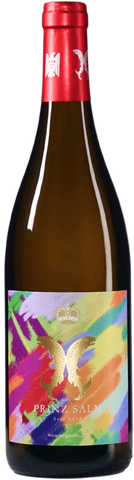
Weißburgunder V
2022

Uhlen Laubach in Orange
2018

Stolzenberg GG
2024

Riesling Kallstadter Steinacker 1G
2023

Uhlen Blaufüsser Lay GG
2023
Uhlen Blaufüsser Lay GG
2021

Limited Edition Merlot
2020


Heimat
2022

Fantasy of the Slate Terraces
2018

Uhlen Roth Lay GG Magnum
2017

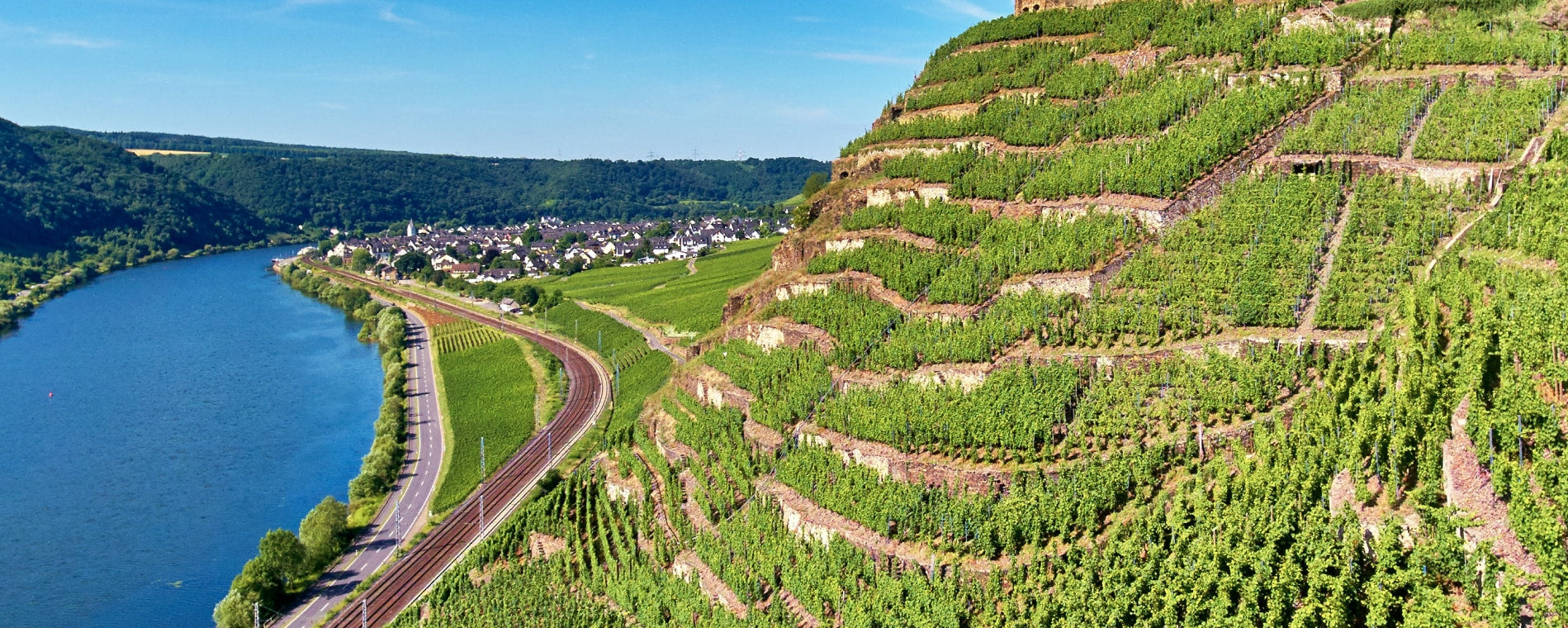
Wines from Germany
Wine Country Germany: Origin with Clarity and Character
Germany stands for precise cool-climate wines that focus on origin, balance, and freshness.
Between rough slate, calcareous shell limestone, loess, keuper, and volcanic soils, styles emerge that delight sommeliers and connoisseurs alike: moderate alcohol, clear fruit, supportive acidity, noticeable minerality.
"Wine from Germany" today means: modern, dry regional wines with razor-sharp contours - complemented by delicate Kabinett wines and elegant Sekt made by traditional method.
Regions in Brief: Diversity in a Small Area
The German wine regions read like a map of contrasts.
Mosel, Rheingau, Rheinhessen, Pfalz, and Baden shape the international image - each region with its own signature, from austere slate Riesling to Burgundy-influenced Spätburgunder.
Nahe, Franken, and Württemberg set accents with crystal-clear Rieslings, characterful Silvaners, and spicy Lemberger; cool, precise profiles emerge in Ahr, Mittelrhein, and Hessische Bergstraße; Saale-Unstrut and Sachsen bring northern finesse to the glass.
Short distances, big differences - that's what makes "German wine regions" exciting for demanding wine lists.
Grape Varieties: Icons, Classics, Discoveries
Riesling is the icon: from steely-dry GG to dancing Kabinett, always with tension, length, and a fine bite - the epitome of "German Riesling."
Spätburgunder (Pinot Noir) spans the arc from cool Ahr precision, through Pfalz and Baden Burgundy power, to limestone-driven, salty interpretations in Rheinhessen and Rheingau.
Silvaner shows its herbal spice and salty tightness in Franken; the Burgundy family (Weissburgunder, Grauburgunder, and Chardonnay) delivers elegant, texture-driven wines with finely integrated wood in Pfalz, Rheinhessen, Rheingau, and Baden.
Added to these are distinctive varieties like Lemberger (Württemberg), Sauvignon Blanc, Scheurebe, or Traminer - grape varieties that expand the spectrum from puristic to expressive.
Wine Styles: Dry Precision and Fine Nuances
Germany's present is dry: region-specific estate and village wines, Erste Lagen, and Grosse Gewächse focus on clarity, structure, and terroir expression.
Alongside these, off-dry and sweet styles remain culinary trump cards - light in alcohol, aromatically intense, perfect for pairing with modern cuisine, spices, and contrasts.
Traditionally made Sekt from top sites - often based on Riesling, Chardonnay, or Pinot - bring pressure, fine lees, and length to the glass and complement wine lists with serious sparkling wine alternatives.
Wine Culture: Sites, Craft, Sustainability
The VDP classification provides orientation on origin - from estate wine to Grosse Lage.
Selective hand-harvesting, spontaneous fermentation, long lees aging, and sensitive use of wood are now standard in the quality spectrum; organic and biodynamic practices are no longer a trend but lived practice.
The result are wines with depth and transparency that precisely express their origin and reliably perform in top gastronomy - by the glass as well as by the bottle.
Wine from Germany at Vioneers: The Top 3 in Focus
Weingut Prinz Salm (Nahe/Rheinhessen) stands for historically grown quality and modern precision. Dry Rieslings from characterful sites combine crystal-clear fruit with austere minerality; fine Burgunders round out the picture. The style: straightforward, elegant, with excellent aging potential - ideal for gastronomic pairings from freshwater fish to delicate vegetable cuisine.
Weingut Felix Mayer (Pfalz) embodies minimally invasive, terroir-driven winemaking. Riesling, Grauburgunder, and Spätburgunder show grip, tension, and unadorned fruit; spontaneous fermentation and rest in the cellar give texture and seriousness. The wines appear unpretentious and focused - perfect when clarity and drinkability are desired.
Weingut Albrecht Schwegler (Württemberg) stands for red wine expertise from the Remstal. Lemberger-dominant cuvées and characterful barrique styles combine power with finesse and spicy tension. These are structurally strong food companions - from braised veal to modern BBQ aromas.
Further Discoveries from the Portfolio
For deeper immersion, selected origin and style references are recommended: Weingut Heymann-Löwenstein
(Terrassenmosel-Riesling with density and slate minerality), Weingut Von Winning
(Pinot Noir), Weingut Philipp Kuhn
(Riesling and Pinot from top sites in the Northern Pfalz), Weingut Künstler (Rheingau-Riesling with pressure and salinity) and Weingut Peter Wagner
(Kaiserstuhl-Pinot & Chardonnay – lean, precise, terroir-driven).
They all show how broadly "Wine from Germany" is positioned today - from puristic Riesling to serious Burgundy profiles.
Conclusion: Origin that Matters
Whether slate in Mosel and Ahr, limestone in Pfalz and Rheinhessen, or the Burgundy power of Baden - German wines deliver character, freshness, and culinary versatility at the highest level. With Vioneers' curated producers, you get reliable quality and clear style in your glass - from a glass of wine at the bar to a multi-course tasting menu.
Discover them now.