

Riesling






Riesling
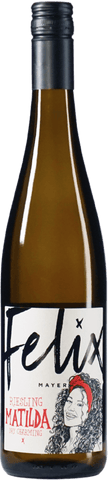
Matilda Riesling
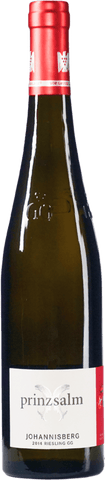
Johannisberg Riesling GG
2014
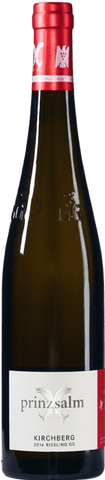
Kirchberg Riesling GG
2016
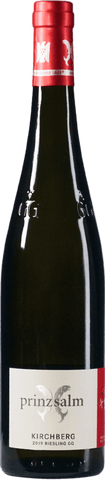
Kirchberg Riesling GG
2019
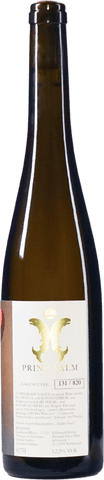
Lagencuvée Grosse Lagen
2020
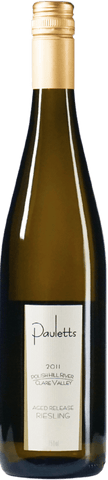
Polish Hill River Aged Release
2011
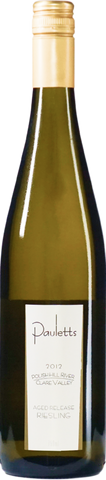
Polish Hill River Aged Release
2012
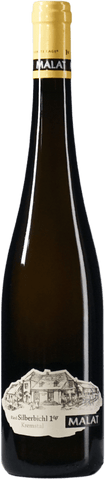
Riesling Silberbichl Erste Lage
2018
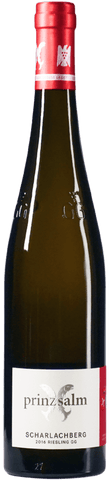
Scharlachberg Riesling GG
2016

Zellerweg am schwarzen Herrgott Riesling GG
2022

Kirchberg GG
2022

Uhlen Laubach GG
2021

Riesling – The Multi-faceted Queen of White Wines
Imagine a wine that combines the freshness of a green apple with the juicy sweetness of ripe peaches – a Riesling offers exactly this diversity. As a traditional white wine grape variety, Riesling has earned an unparalleled reputation and is lovingly referred to as the "Queen of White Wines" for good reason. Native to Germany and appreciated worldwide, Riesling is characterized by a vibrant acidity profile and a rich bouquet ranging from citrus to tropical notes. Whether you are looking for an elegant dry Riesling for the evening or a noble sweet wine for dessert – this grape variety has something for every occasion and taste.
Biology of the Grape – Ampelography of Riesling
Riesling is a white grape variety (Vitis vinifera) originating from the Upper Rhine Valley. It was first documented in 1435 and is now considered one of the highest quality grape varieties in the world. Genetically, Riesling probably arose from natural crosses of historical varieties (including Heunisch and Traminer) with regional wild vines. The grapes are small to medium-sized, greenish-yellow in color, and ripen late in the year. Thanks to their late budding, Riesling vines often escape the dangerous late frosts in spring. The berry skins are robust enough to allow noble rot (Botrytis) for noble sweet specialties such as Beerenauslese or Trockenbeerenauslese. Particularly striking is the balance of sweetness to acidity: Riesling can achieve high must weights (sugar content) without losing its pronounced acidity.
- Aroma Profile: intense bouquet with notes of green apple, citrus, peach, and, depending on the terroir, mineral hints.
- Acidity: high and invigorating; the distinctive acidity profile provides freshness and aging potential.
- Ripening Time: late ripening (harvest often not until October); allows for full aroma development and diverse wine styles from dry to noble sweet.
- Color: in the glass usually pale yellow with green reflections; golden yellow in aged Rieslings.
Climate, Soil, and Growing Conditions
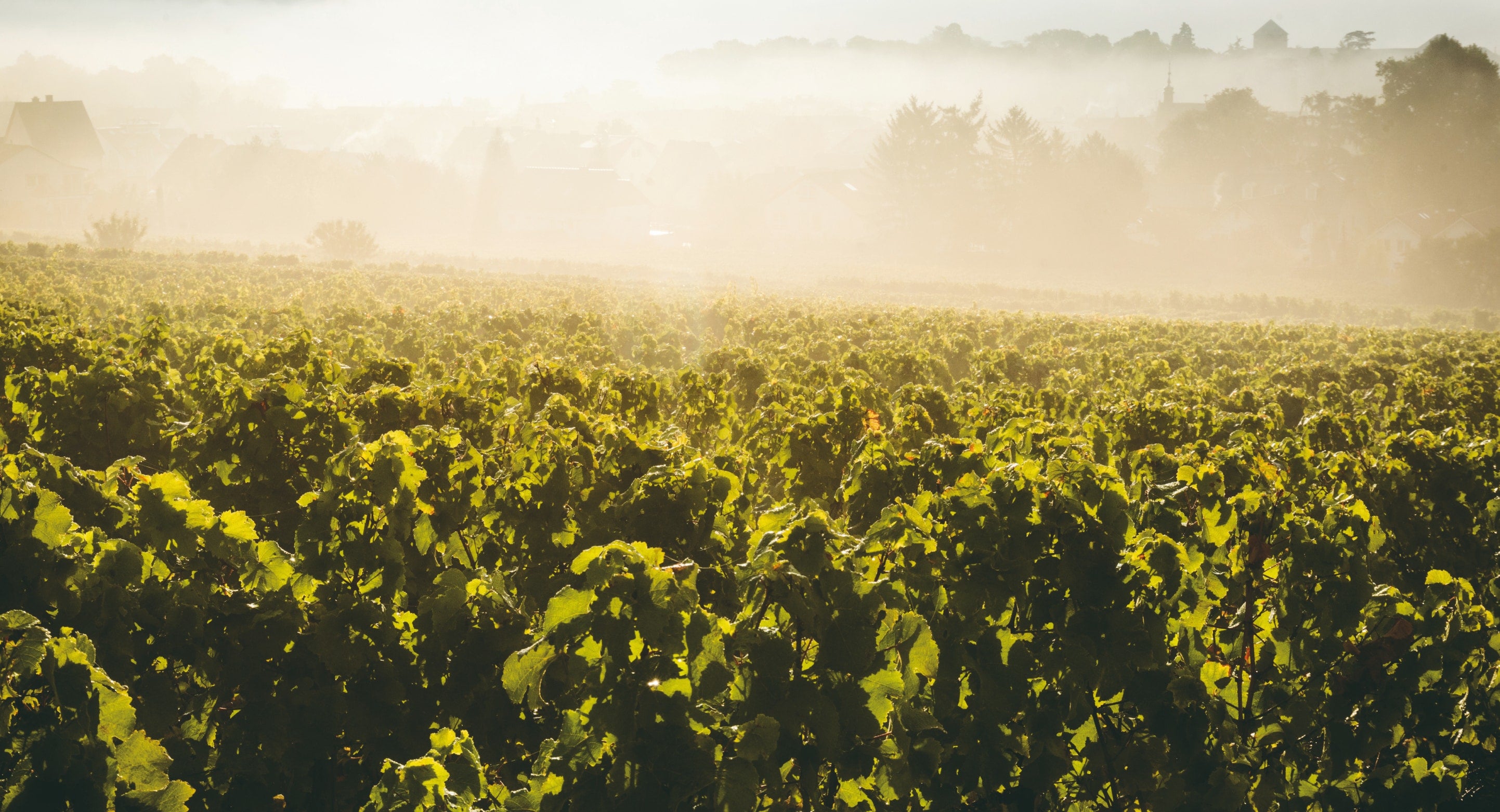
Riesling thrives best in moderate to cool climates and places high demands on the vineyard site. Sunny steep slopes in river valleys – for example, along the Rhine, Mosel, or Danube – offer ideal conditions: The water reflects sunlight, extending the sun exposure on the vine rows, while cool nights preserve the acidity in the grapes. In such exposed vineyard sites, Riesling can fully develop its potential. Interestingly, Riesling has relatively low demands on the soil: whether slate, volcanic rock, limestone, or granite – the vine is adaptable. This is precisely why Riesling wines from different wine regions often taste so different. The grape variety reflects the terroir particularly strongly: a Riesling from a slate-rich steep slope often shows a fine minerality, while a Riesling from limestone soils shines more with fruitiness and elegance. Outside Germany, Riesling also finds suitable conditions in cooler regions – from the steep slopes of Alsace to the Wachau in Austria and to high-altitude vineyards in Australia or the USA.
Winemaking, Style, and Typical Character
In the cellar, Riesling is usually fermented in stainless steel tanks with temperature control to preserve its clear fruit and freshness. Some winemakers also opt for aging in large wooden barrels or experiment with spontaneous fermentation to add additional complexity to the wine – however, strong barrique wood is rarely used as it would overshadow the delicate Riesling aromatics. Stylistically, Riesling offers an enormous range: from light Kabinett with moderate alcohol to powerful, dry "Große Gewächse" (Grand Cru) and noble sweet Prädikat wines such as Auslese, Beerenauslese, or Eiswein. Particularly typical for Riesling is its racy acidity, which gives backbone and freshness to every wine style. The taste profile is often dominated by citrus fruits (lime, grapefruit) and green apples in young, dry wines, while riper or off-dry Rieslings show aromas of peach, apricot, honey, and sometimes a hint of blossoms. With increasing bottle aging, a good Riesling often develops a so-called petrol note – a slight scent of petroleum, which is appreciated by connoisseurs as an indication of maturity and complexity. Due to its balanced ratio of sweetness and acidity as well as its pronounced acidity profile, Riesling generally has excellent storage and aging potential: high-quality Rieslings can age for decades and gain in finesse. In addition, thanks to its acidity, Riesling is excellently suited as a base for sparkling wine – Winzersekt (grower's sparkling wine) from Riesling is often on par with some Champagnes in terms of quality.
Famous Growing Regions and Regional Character
Germany is the homeland of Riesling and has the largest acreage of this grape variety worldwide. In almost all 13 German wine regions, Riesling plays an important role – but regions such as Mosel, Rheingau, Pfalz, Nahe, and Rheinhessen are particularly famous. In the Mosel, where about 60% of the vineyard area is planted with Riesling, slate-rich steep slopes shape the style: delicate, fruit-driven wines with pronounced minerality and lively acidity are produced here. The Rheingau, the historical home of some Riesling legends (e.g., Schloss Johannisberg), offers ideal south-facing slopes along the Rhine; Rieslings from the Rheingau are often a bit more powerful and complex, with a balance of fruit and spice. The Pfalz in the south, on the other hand, produces full-bodied, often dry Rieslings due to its slightly warmer climate, which impress with juicy fruit and structure – some of Germany's most renowned Riesling wineries (e.g., in Forst and Deidesheim) are located here. Even smaller growing regions like the Nahe or the Middle Rhine Valley show how versatile Riesling can be: from the Nahe come elegant wines with fine fruit and often a hint of minerality, while characterful Rieslings also grow on the Middle Rhine or in Franconia.
Beyond Germany's borders, Riesling enjoys a high reputation. In French Alsace, Rieslings are mostly dry and powerful, with a spicy bouquet and great aging potential. Austrian Rieslings from the Wachau, Kamptal, or Kremstal are regularly among the world's best: they are dry, rich in extract, and show intense stone fruit aromas. Riesling has even found a home overseas – for example, in Australia (Clare Valley, Eden Valley) or New Zealand, where it produces fresh, aromatic wines with striking acidity. Excellent Rieslings are also produced in the USA (especially in the cool Finger Lakes region or in Washington State) and in Canada. Despite this global spread, the character of the wines always remains shaped by the terroir: each region gives Riesling its own signature.
Riesling at Vioneers – Wineries and Collections
At Vioneers, the whole world of Riesling is open to you. In our carefully curated selection, you'll find both traditional German wineries and international Riesling discoveries. For example, in the Mosel, the legendary Heymann-Löwenstein Winery awaits you with Rieslings from spectacular slate-rich steep slopes, bursting with minerality. From the Nahe, the renowned Prinz Salm Winery – one of Germany's oldest wineries – impresses with fine Riesling wines full of finesse. Lovers of special wines will also find what they're looking for here: for instance, we carry Rieslings from the Wachau from the Malat Winery in Austria, as well as characterful Rieslings from overseas, for example, from Australian Paulett Wines from the Clare Valley. Whether you're looking for a young, fresh Riesling for everyday enjoyment or a mature, premium Riesling for a special occasion – at Vioneers, you can buy selected Riesling wines online and be inspired by the diversity of this grape variety.
FAQ – Frequently Asked Questions about Riesling
Is Riesling always sweet?
No, Riesling is by no means always sweet. While the grape variety is known for producing excellent noble sweet wines (such as Auslese, Beerenauslese, or Trockenbeerenauslese), most Riesling wines are now produced in a dry style. A dry Riesling contains little residual sugar and tastes refreshing and crisp. In addition, there are off-dry variants (sometimes called "feinherb") with a mild residual sweetness, as well as medium-sweet and sweet Rieslings. The former notion that Riesling is predominantly sweet has long been outdated – especially in Germany, the segment of dry quality wines has become very popular.
Riesling is a late-ripening grape variety and is usually harvested very late in autumn – often in October, and in special cases even until November. Determining the optimal harvest time is an art for the winemaker: they must balance sufficient ripeness (Oechsle degree) with the preservation of acidity. For simple Riesling wines, harvesting is usually done earlier to maintain a fresh acidity, while for Prädikat wines such as Spätlese or Auslese, the grapes are allowed to hang longer to develop more sweetness and aromas.
Which food pairings go well with Riesling?
With its zesty acidity and aromatic diversity, Riesling is a true all-rounder at the table. Dry Rieslings are excellent food companions for many dishes: they harmonize wonderfully with fish and seafood, with white meat like poultry or pork tenderloin, and even with spicy Asian cuisine. A racy, well-aged Riesling can even impress with rich dishes like duck or goose roast, where red wine is usually expected. Sweet or sweeter Rieslings, in turn, are recommended as companions to desserts (such as fruit tarts, sorbets) and cheese platters – especially noble sweet Auslesen or Beerenauslesen are a dream with blue cheese or noble mold cheeses.
How long can Riesling be stored?
The aging potential of Riesling is impressive. Especially high-quality wines – for example, from top sites or with a Prädikat (Spätlese and above) – can easily age for ten, twenty years, or even much longer. Noble sweet Rieslings (Auslese, Trockenbeerenauslese, Eiswein) are often stable for decades due to their high concentration of sugar and acidity, developing new facets over time. But good dry Rieslings also gain complexity after a few years of bottle aging: their initially dominant fruit aromas recede slightly, making way for fine mature notes like honey, nuts, or the famous petrol note. It is important that the bottles are stored in a cool, dark, and as still a place as possible. If you prefer a young, fresh Riesling, most simple qualities can also be enjoyed directly – they are usually ready to drink shortly after bottling.
Riesling has a very versatile aroma spectrum. Fruity notes are initially typical: you will often perceive scents of green apple, lemon, lime, or grapefruit, especially in young and dry Rieslings. With increasing grape ripeness, aromas of apricot and peach emerge, which are particularly found in Spätlesen. Many Rieslings also show a fine floral component, such as hints of blossoms. Another hallmark is minerality – depending on the origin, mineral notes (e.g., the scent of wet stone) also appear, giving the wine additional complexity. After a few years of bottle aging, a Riesling also often develops the famous petrol note – a slight smell of petroleum – accompanied by honey and dried fruit nuances. Connoisseurs particularly appreciate these complex mature notes in a well-aged Riesling. Overall, it is precisely the range of aromas that makes Riesling so unmistakable and exciting for your nose and palate.