
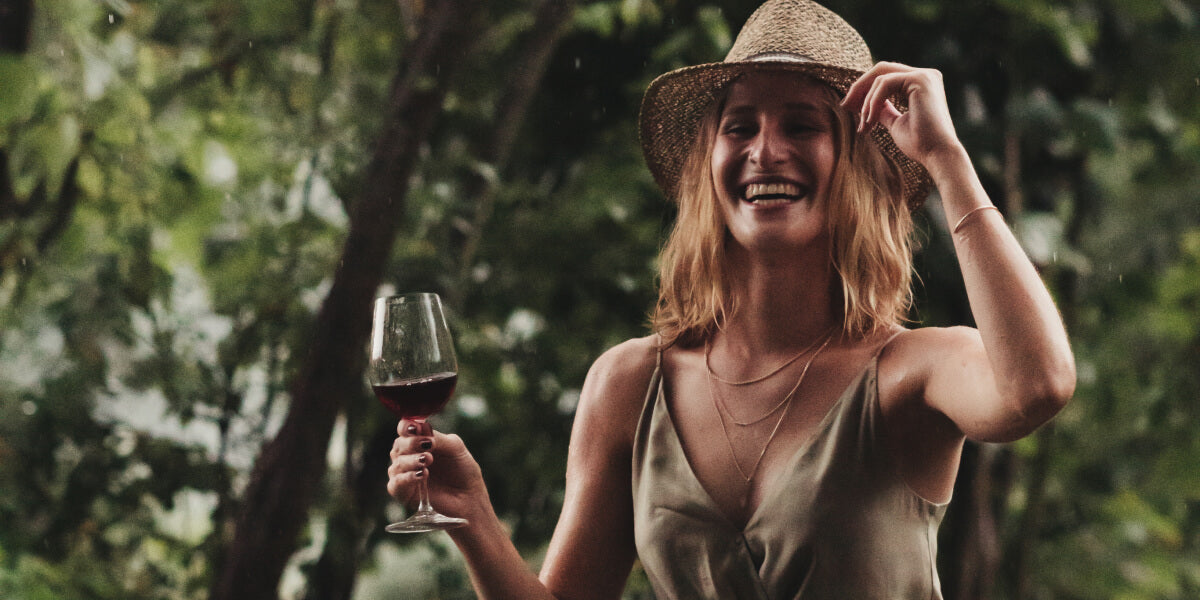
Cabernet Franc






Cabernet Franc
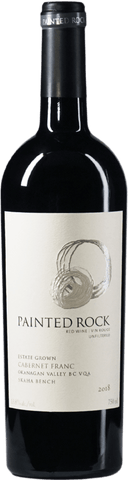
Cabernet Franc
2018

Iugero Cabernet Franc
2020

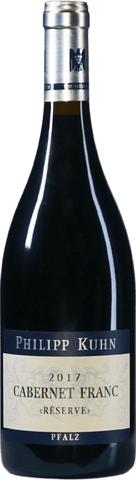
Cabernet Franc Reserve
2017
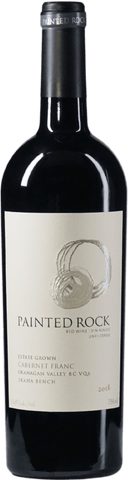
Cabernet Franc
2015
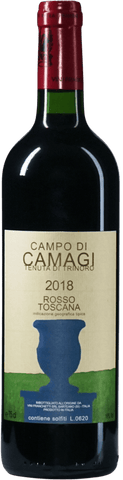
Campo di Camagi
2018
Cabernet Franc
2020

Campo di Camagi
2020


Cabernet Franc - the Elegant Border-Crossing Grape in the Red Wine Universe
With its aromatic charm and stylish elegance, Cabernet Franc is a grape variety that delights connoisseurs and explorers alike. Slightly lighter in color than its famous brother Cabernet Sauvignon, it impresses with fruitiness, fine spice, and a pleasant freshness. Are you wondering what kind of wine is behind the name, and why more and more winemakers worldwide are turning to Cabernet Franc? In this category page text, you'll learn everything essential about the origin, characteristics, and enjoyment of this fascinating grape – naturally with a look at our Vioneers collections.
Biology of the Grape / Ampelography
Cabernet Franc (Cf) belongs to the Vitis vinifera family and is considered one of the oldest red grape varieties in Bordeaux and beyond. Its grapes are medium to small, rather loose-berried, and often well-ventilated. Incidentally, the grape variety is also genetically a ancestor of Cabernet Sauvignon and Merlot – sharing many characteristics with them.
On the phylloxera-resistant rootstock, Cabernet Franc behaves relatively robustly, with good frost tolerance and moderate susceptibility to disease; however, it occasionally tends to shatter (thinning of the berries). Furthermore, it ripens earlier than Cabernet Sauvignon and can achieve sufficient ripeness in somewhat cooler regions.
Climate, Soil & Growing Conditions
One of its great strengths: Cabernet Franc does not place extremely high demands on its environment. It often thrives exceptionally well in moderate and cooler locations, where other red wine varieties reach their limits. Nevertheless, its qualities are particularly evident on well-ventilated slopes, ideally with calcareous, gravelly, or sandy soils. Such soils allow for good drainage and deep root penetration – ideal for concentrated aromas. In overly heavy clay soils, a heavier, less fruity style can emerge.
The warmer the climate, the more the aromas shift from fresh wild berries to ripe red fruits and spice notes. In cooler regions, on the other hand, pronounced acidity and freshness are more prominent – a tension that good winemakers know how to utilize.
Maturation, Style & Typical Character
Cabernet Franc wines are characterized by a harmonious balance between fruit, acidity, and soft tannins. Compared to Cabernet Sauvignon, the style is often finer, with a lighter texture – they appear more elegant and approachable earlier. Typical aromas include red fruits such as raspberry, strawberry, cherry, along with floral notes (e.g., violet), peppery and herbaceous nuances (green bell pepper), sometimes licorice or cedar wood in maturation. During barrel aging, roasted aromas, vanilla, or fine spice notes are often added.
Grape ripeness is crucial for high quality: only with optimal ripeness can complex wines with depth and aging potential be produced. Some varietal representatives certainly reach bottle ripeness and an aging potential of 8-12 years or more.
Famous Growing Regions & Regional Characteristics
Although Cabernet Franc is not a large-scale variety, it plays a significant role in the international wine world. Its classic home regions include France: especially Bordeaux and the Loire Valley (e.g., Chinon, Bourgueil) – there it often appears as a single varietal or in blends. In Bordeaux, Cabernet Franc is one of the six approved grape varieties. The variety has also established itself in the New World – internationally renowned Cabernet Franc wines are produced in California, Argentina, Chile, and South Africa.
In Germany, Cabernet Franc is still a niche grape, but it is gaining increasing attention. In the Palatinate, for example, remarkable single-varietal examples with regional character are being produced. Due to its adaptability, the grape variety is also suitable for ambitious projects in German vineyards.
Grape Variety at Vioneers - Relevant Wineries / Collections
In our assortment, we present exclusive Cabernet Franc wines from all over the world – from purist varietal wines to sophisticated blends. Painted Rock Estate Winery – with exciting Cabernet Franc profiles from the sun-drenched regions of North America. Iviti Winery – with harmoniously structured Cabernet Franc interpretations from cooler wine regions. Weingut Philipp Kuhn – here you can occasionally find a Cabernet Franc in the high-quality portfolio.
Whether purist or as a blend component – at Vioneers, you will find carefully selected representatives whose varietal profile and maturation style are precisely described.
FAQ - Frequently Asked Questions about the Cabernet Franc Grape Variety
Is Cabernet Franc dry or can it also be semi-dry?
The vast majority of Cabernet Franc wines are made dry, as this best expresses their fruit, structure, and elegance. Nevertheless, in special cases, semi-dry interpretations can be offered, usually from special sites or wine producers.
When is the best harvest time for Cabernet Franc?
The optimal harvest time is at full phenolic ripeness – meaning when fruit, skin ripeness, and tannins are in balance. Harvested too early, the wine often appears vegetal and too green; harvested too late, there is a risk of overripe notes and excessive alcohol.
Which food pairing is particularly suitable?
Cabernet Franc is a versatile partner: it harmonizes excellently with game, lamb, beef, and aged cheese. It can also form a wonderful combination with mushroom risotto, herbal dishes, or Mediterranean cuisine.
How long can a Cabernet Franc be aged?
High-quality examples can easily age for 8-12 years and gain depth and complexity. Simpler variations are usually ready to drink within 3-5 years.
Does Cabernet Franc differ significantly from Cabernet Sauvignon?
Yes – Cabernet Franc is generally lighter, with finer tannins and a stronger fruit-spice profile. It ripens earlier, is less robust, but more flexible in cooler regions.