

Cabernet Sauvignon






Cabernet Sauvignon
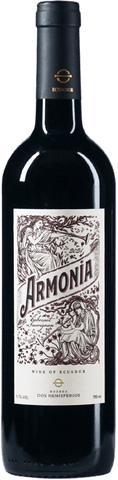
Armonia Cabernet Sauvignon
2021

Travesia Cabernet Sauvignon
2015

Cabernet Sauvignon Rosé Der Schmutzige
2024


Cabernet Sauvignon
2023

Gris de Cocotte Rosé
2025

Slope
2018


Cabernet Sauvignon Rosé
2024

Sand Point Cabernet Sauvignon
2020
Armonia Cabernet Sauvignon
2022

Cortona Cabernet Sauvignon
2018

Travesia Cabernet Sauvignon
2019
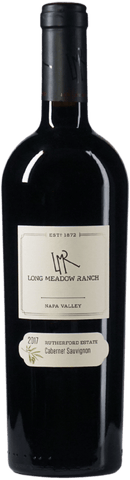
Cabernet Sauvignon Rutherford
2018


Cabernet Sauvignon: globally popular and full of character
Vibrant ruby red in the glass, aromas of blackcurrant, cedar, and a hint of bell pepper on the nose: there's no doubt you have a Cabernet Sauvignon before you. The world's most famous red wine grape stands for powerful flavor, reliable quality, and immense diversity. From the gentle hills of Bordeaux to the sunny vineyards of California, Cabernet Sauvignon captivates wine lovers worldwide with its intense fruit, distinctive tannic backbone, and lively acidity. Join us on a journey through the world of this noble grape – discover what distinguishes it in the vineyard, how climate and terroir shape its character, and which Cabernet Sauvignon wines you can find at Vioneers.
Biology of the Grape & Ampelography
Cabernet Sauvignon likely originated in the 17th century from a natural cross-pollination of the red grape variety Cabernet Franc with the white Sauvignon Blanc in France. The resulting red wine grape proved to be robust and adaptable, which enabled its triumphant global spread. Today, Cabernet Sauvignon is considered a noble grape variety and is prized by winemakers on almost all continents for its quality and consistency.
Ampelographically, the grape is characterized by small, thick-skinned berries with a deep dark blue color. The thick skin provides a high content of color pigments and tannins. As a result, Cabernet Sauvignon grapes produce wines of intense color, pronounced tannin structure, and good aging potential. The variety ripens late in the year, which is why it can fully mature primarily in wine-growing regions with long, warm summers. Originally, it thrived best in the moderately warm climate of Bordeaux, but now it prospers in a wide variety of regions from California to Australia.
Climate, Soil & Growing Conditions
Do you wonder why a Cabernet from Australia sometimes hints at eucalyptus or mint, while a Bordeaux Cabernet tends to show bell pepper notes? The key lies in climate and terroir. Cabernet Sauvignon needs sufficient warmth and sun to ripen fully. In warm wine-growing regions with long summers, the grapes develop intense fruit aromas (cassis, black cherry) and softer tannins. In cooler regions or vintages, however, acidity remains higher and vegetal notes like green bell pepper or herbs may dominate if the grapes don't ripen completely. In extremely hot locations, there's a risk of overripe, jammy wines with very high alcohol content. Therefore, proper timing during harvest is crucial to maintain a good balance.
The soil on which the vines grow also shapes the character. The variety prefers well-aerated, permeable soils – for example, the gravelly soils in the Médoc – as these store heat and drain rainwater. But Cabernet Sauvignon proves adaptable: on calcareous soil in Tuscany, as well as on red Terra Rossa soil in Australia, it clearly expresses the terroir. Different vineyard sites can produce subtle nuances – from mineral undertones to a hint of mint or eucalyptus, which appears in some overseas regions, for example.
Vinification, Style & Typical Character
Wines made from Cabernet Sauvignon are usually powerful, full-bodied, and rich in tannins. Their deep dark color suggests a rich wine in the glass. The rich spectrum of aromas is typical: blackcurrant (cassis) stands out as the leading aroma, accompanied by other dark fruits such as blackberry, black cherry, or plum. Depending on the origin and vinification, notes of spices, black pepper, or green bell pepper can also be found, especially if the wine comes from a cooler climate.
As a rule, Cabernet Sauvignon wines are vinified dry and aged in oak barrels. Maturation in barriques (usually 18 months, sometimes longer) gives the wine additional aromas of vanilla, coffee, chocolate, and toasted notes like cedar and tobacco. Due to oak aging and robust tannins, many Cabernet Sauvignons gain structure and are excellent for long bottle aging – top growths can age for decades and develop complexity. At the same time, there are also modernly vinified Cabernet Sauvignons that are accessible young, with juicy fruit and softer tannins.
In classic wine regions, Cabernet Sauvignon is often used as a blending partner – for example in Bordeaux, where it forms legendary red wines together with Merlot, Cabernet Franc, and others. Cabernet Sauvignon contributes structure, color, and aging potential. In many overseas countries, however, it is often bottled as a single varietal to showcase its unadulterated characteristics. Both approaches produce magnificent wines – be it a complex blend or a varietal Cabernet with a powerful personality.
Famous Growing Regions & Regional Characteristics
Its origins lie in Bordeaux, and even today, some of the most famous Cabernet wines come from the gravelly soils of the Médoc. In appellations such as Pauillac, Margaux, or Saint-Estèphe, Cabernet Sauvignon, as the main variety, shapes the world-renowned Bordeaux blends: here, cassis, dark berries, and cedar meet significant tannins, often requiring years of aging in the wine cellar. Cabernet has also gained a foothold in other parts of Europe – for example, in Italy, where it forms the basis for legendary Supertuscans in Bolgheri (Tuscany), or in Spain and Portugal, where it is often blended with local varieties to impart structure and body.
Outside Europe, Cabernet Sauvignon has made an unprecedented triumphal march. California leads the way: in Napa Valley, opulent, single-varietal Cabernet Sauvignons are produced with ripe fruit, vanilla oak notes, and velvety tannins – wines that regularly achieve top international ratings. Chile has made Cabernet its most widely planted grape variety; particularly in the Maipo and Colchagua Valleys, characterful Cabs thrive with concentrated black fruit and often a hint of mint or eucalyptus. Australia is no less impressive: in Coonawarra (South Australia), red soils (Terra Rossa) and a moderate climate produce elegant Cabernets with cassis and menthol freshness, while in the west (Margaret River), more Bordeaux-like growths flourish. Cabernet Sauvignon is also successfully cultivated in South Africa, Argentina, and even China. Almost everywhere wine grows, this variety is present – regionally distinct, but always with its unmistakable character.
Cabernet Sauvignon at Vioneers
In our Vioneers assortment, you will find a curated selection of Cabernet Sauvignon wines from various countries, which you can conveniently buy online. For example, you can discover a Cabernet Sauvignon from Napa Valley from the Long Meadow Ranch winery – a top Californian wine with elegance and substance. Or how about a rarity from the equator? The Bodega Dos Hemisferios in Ecuador produces Cabernet Sauvignon blends that impress with exotic origins and astonishing quality. Italy is also represented: the I Viti Winery in Tuscany focuses entirely on Cabernet Sauvignon and produces a wine reminiscent of legendary Supertuscans – full-bodied, elegant, and with a Tuscan soul. Whether a classic Bordeaux blend or a single-varietal overseas Cabernet – at Vioneers, you can buy Cabernet Sauvignon online in first-class quality and perhaps even find your new favorite.
FAQ about Cabernet Sauvignon
Is Cabernet Sauvignon always dry?
Yes, Cabernet Sauvignon is typically vinified as a dry wine. Sweet or off-dry variants are a rare exception and are usually experimental dessert wines. Even Cabernet Sauvignon Rosé is almost always vinified dry (at most off-dry).
When is the best harvest time for Cabernet Sauvignon?
Cabernet Sauvignon ripens late and is ideally harvested as late as possible when the grapes are fully mature. The optimal harvest is when the berries have developed sufficient sugar and aroma and no longer show any green tones. Depending on the region, this is usually between late September and late October. Winemakers pay attention to this: if harvested too early, the wine tastes unripe and grassy; if one waits too long, there is a risk of overripeness or rot.
What food pairing goes well with Cabernet Sauvignon?
Robust Cabernet Sauvignon wines demand equally substantial dishes. A classic match is a juicy beef or lamb steak, as the protein softens the tannins and makes the wine seem smoother. Game dishes, pot roasts, or hearty grilled food are also excellent accompaniments. A mature Cabernet can also pair wonderfully with hard cheeses like Parmesan or Cheddar, and even dark chocolate harmonizes surprisingly well with the intense aromas. Light fish or vegetable dishes are less recommended, as the wine easily overpowers their flavor.
How long can Cabernet Sauvignon be aged?
High-quality Cabernet Sauvignons, thanks to their tannin and acid structure, can often age for 10 to 20 years or even longer. Top wines from Bordeaux or Napa sometimes endure decades in the cellar. Simpler Cabs, intended for early consumption, are best drunk young within 2 to 5 years. Rule of thumb: the more structure and oak aging a Cabernet has, the greater its aging potential.
Should Cabernet Sauvignon be decanted, and at what temperature should it be served?
Decanting is worthwhile for many Cabernet wines. Young, tannic wines benefit from being poured into a decanter 1-2 hours before consumption, allowing them to breathe and soften their tannins slightly. Mature Cabernets can also be carefully decanted – primarily to remove sediment. However, very old wines should not remain in the decanter for too long, so that the delicate aromas do not dissipate. The ideal serving temperature for Cabernet Sauvignon is around 16 degrees Celsius (slightly below room temperature), so that the aromas can fully unfold without the alcohol tasting prominent.