

Wines from Italy
In this category, discover only the best wines from Italy. The country's wines are legendary - probably the best that Italy has given us, alongside Celentano, pasta and pizza. Here you will find wines from northern Italy to Sicily. Alla vostra salute!






Wines from Italy
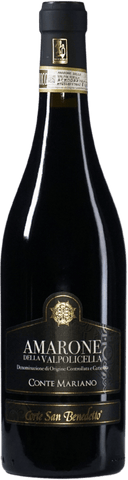
Amarone Conte Mariano DOCG
2018

Sauvignon Blanc
2024

Negroamaro
2023
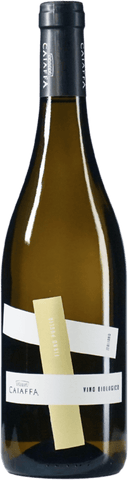
Fiano
2024
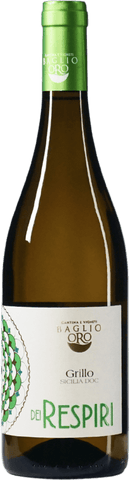
Dei Respiri Grillo
2023

Primitivo
2024

Iugero Cabernet Franc
2020


Sauvignon Blanc
2025

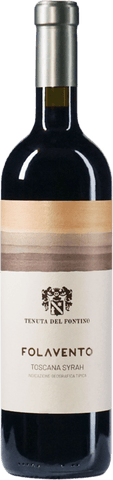
Folavento
2021

Dosso Dolcetto D'Alba
2021

Venti
2020
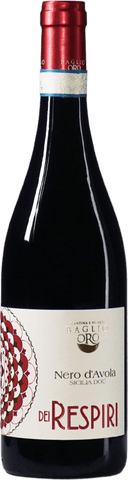
Dei Respiri Nero d'Avola
2023


Italy - the land of sun, terroir, and endless wine diversity
Italy is more than a country - it's a way of life that is reflected in every glass of wine. From the cool north to the sun-drenched south, Italian viticulture combines tradition and passion with modern precision. This is where wines are created that are as characterful as they are accessible: powerful red wines with soul, elegant white wines with finesse, and aromatic specialties that bring the Mediterranean way of life to life.
History & Significance of Viticulture
Italian viticulture looks back on more than 3,000 years of history - a cultural constant that has shaped the country. The Romans already called Italy "Enotria," the land of wine. Since then, wine has been deeply rooted in the country's identity - as an expression of enjoyment, hospitality, and regional pride. Every region, from South Tyrol to Sicily, has developed its own signature - shaped by grape varieties, climate, and traditions that are still respected and further developed today.
Climate, Soils & Terroir Influences
Hardly any other country offers such a variety of microclimates and soil types as Italy. In the north, the Alps and Lake Garda characterize a rather cool climate that produces delicate, mineral white wines and elegant red wines. In Central Italy, with regions like Tuscany, Mediterranean warmth meets calcareous, clayey soils - ideal for grape varieties with structure and depth. In the south, finally, sun, volcanic soils, and maritime winds ensure concentrated, spicy wines with Mediterranean charm. This geological and climatic diversity is the backbone of Italian wine identity.
Typical Grape Varieties & Wine Styles
Italy is the land of indigenous grape varieties - over 400 officially registered varieties form a kaleidoscope of aromas and styles. The most famous red grape varieties are Sangiovese, Nebbiolo, Barbera, and Montepulciano, which represent everything from delicate to powerful wines that the Mediterranean climate has to offer. Among the white wines, Pinot Grigio (Grauburgunder), Verdicchio, Fiano, and Garganega dominate - wines that combine freshness, structure, and a fine acidity profile. Characteristic of Italian wines is their balance of elegance and drinkability. Even with high ripeness, they retain structure and liveliness - a merit of the interplay of climate, craftsmanship, and centuries of experience. Whether velvety Tuscan cuvées, racy Piedmontese wines, or aromatic Southern Italians - Italy remains the country that makes a virtue out of diversity.
Important Wine Regions & Appellations
Italy's most famous wine regions are worldwide flagships. In Tuscany, Chianti Classico, Brunello di Montalcino, and Super Tuscans are produced - wines that show Sangiovese in its noblest form. Piedmont is considered the home of the great Nebbiolo wines Barolo and Barbaresco, while Veneto covers several styles with Amarone, Soave, and Prosecco. In the south, Puglia, Campania, and Sicily impress with modern, sun-drenched wines that combine Mediterranean warmth with clarity. These regions are the foundation of the Italian wine myth - each with its own character, but all with an unmistakable identity.
Wines from Italy at Vioneers - Relevant Wineries
At Vioneers, you will find a hand-picked selection of Italian wines that showcase the country's diversity in its best form. Discover the elegant minerality of Azienda Agricola Inama - one of Veneto's top wineries, creating modern classics with Garganega and Sauvignon Blanc. Also represented is the Tuscan winery Querceto di Castellina, which sets new standards with a biodynamic approach and varietal Sangiovese. These wineries show how Italy's wine culture harmoniously combines tradition and modernity.
Whether velvety red wines, fresh white wines, or characterful cuvées - Italian wines at Vioneers stand for authenticity, style, and craftsmanship at the highest level.
Conclusion
Italian wines are more than just enjoyment - they are an expression of a millennia-old culture that is passionately cultivated. From the elegant Barolo to the fresh Pinot Grigio, they reflect the soul of a country that masters contrasts: tradition and modernity, sun and structure, heart and craftsmanship. Whoever drinks Italian wine tastes the essence of a way of life - authentic, vibrant, and unmistakable.