

Zweigelt






Zweigelt

Zweigelt Reserve
2021

Zweigelt vine Hades
2017

Zweigelt trocken
2025

Zweigelt dry
2024

Zweigelt Grape Hades
2016

Zweigeltrebe Geradstettener Lichtenberg trocken 1G
2020

Blauer Zweigelt Barrique
2019

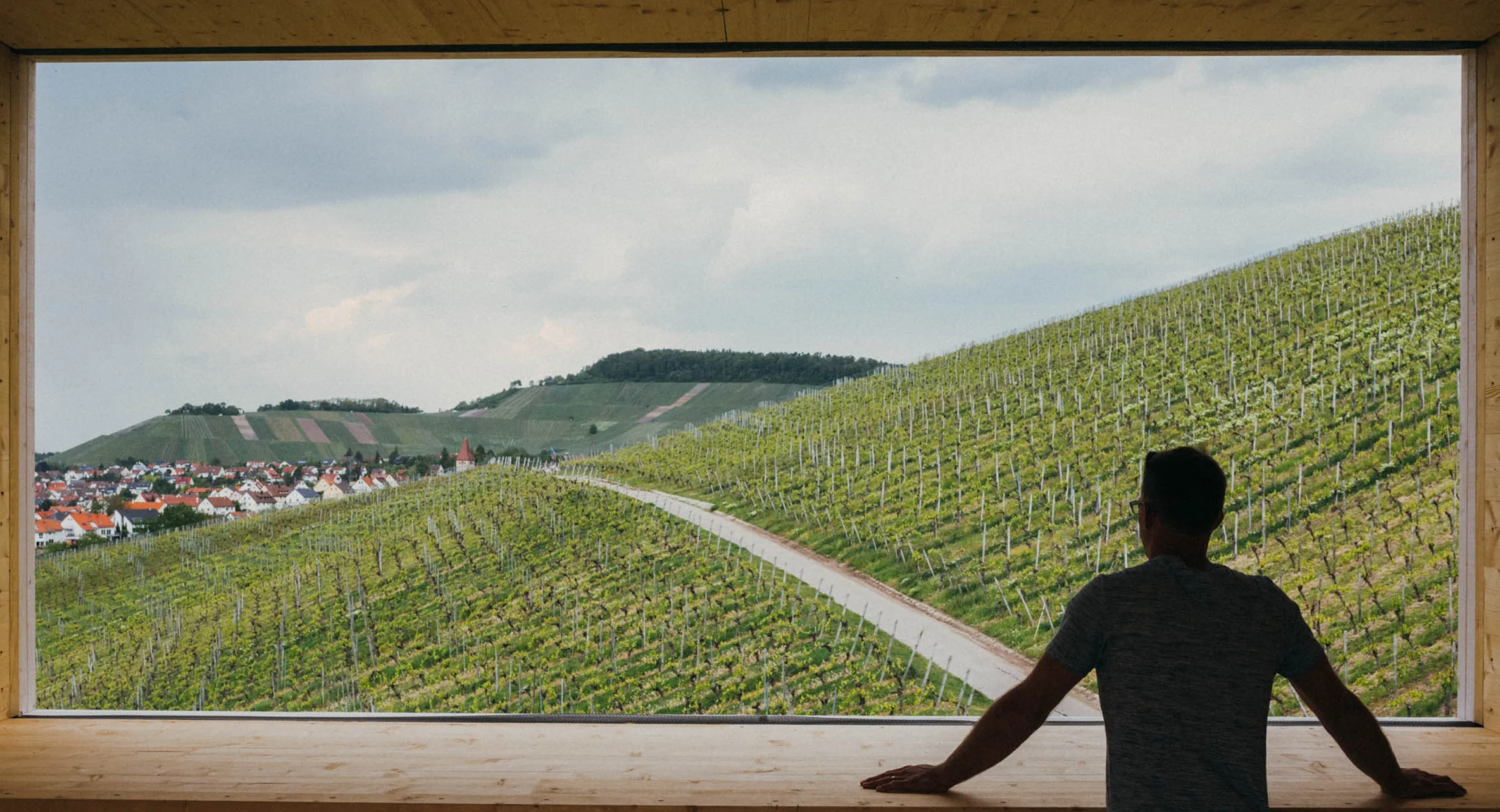
Zweigelt - Austria's red calling card
Few grape varieties embody modern Austrian red wine as authentically as Zweigelt. It is charming, accessible, and at the same time full of character – a wine that impresses equally with fruit, structure, and finesse. Whether as a fresh everyday wine with juicy cherry notes or as a complex reserve with depth and spice: Zweigelt shows that Austrian red wine has long found its own style – between elegance and substance, origin and craftsmanship.
Biology of the Grape / Ampelography
Zweigelt – actually "Blaufränkisch x St. Laurent" – was bred in 1922 by Dr. Fritz Zweigelt at the Klosterneuburg Viticulture School. Ampelographically, it is a cross with character: the grapes are medium-sized, compact, and have a deep dark, ruby-red skin. It inherits structure and fine acidity from Blaufränkisch, and fruit and silky tannins from St. Laurent. This combination makes it so versatile: it can be enjoyed young and fruity, but with consistent development and reduced yields, it also shows astonishing aging potential.
The nose is dominated by cherry, sour cherry, plum, and often a fine herbal spice. In the glass, depending on the style, it presents itself sometimes juicy and playful, sometimes powerful with a fine tannic grip. Its typical characteristic, however, remains balance – Zweigelt never stands still, but dances between fruit and structure, between earthiness and elegance.
Climate, Soil & Growing Conditions
Zweigelt thrives best where sun and wind meet. In Austria, the best locations are found in Lower Austria, Burgenland, and Styria. The variety loves warm, well-ventilated sites with calcareous, sandy-loamy soils. Too much water or excess nutrients lead to soft, broad wines – controlled yields, however, bring tension, structure, and depth. The vines bud early and are relatively frost-sensitive, which is why viticultural artistry here primarily means: maintaining a balance between ripeness, acidity, and finesse.
Internationally, Zweigelt is an exciting niche. It is increasingly planted in Germany, Switzerland, and Slovenia, often with a slightly cooler style. Small, experimental plots are also emerging in Canada and New Zealand, where winemakers combine the variety with cooler nights – the result is elegant, clearly fruity interpretations with vibrant acidity. Nevertheless, Austria remains the undisputed heart of this grape variety: this is where it originated, and this is where its full potential is known.
Maturation, Style & Typical Character
Zweigelt is a true chameleon. Depending on the maturation process, it reveals completely different facets. In stainless steel tanks, it remains pure, fruit-driven, and vibrant – perfect for fresh, uncomplicated wines with cherry and berry aromas. If aged in large wooden barrels or barriques, however, its serious side emerges: dark fruit, delicate roast aromas, fine tannins, and a long finish. The style thus ranges from light-footed and lively to concentrated, powerful, and spicy – without losing its charming drinkability.
Typical for high-quality Zweigelt is the combination of fruit and structure. The acidity profile is moderate, the tannins are ripe but present – enough to maintain tension. This balance also makes it gastronomically exciting: Zweigelt is a versatile food companion that effortlessly moves between Wiener Schnitzel, rack of lamb, or wild game terrine. It even pairs excellently with Mediterranean dishes with tomato and herbs.
Famous Growing Regions & Regional Characteristics
The epicenter of Zweigelt lies in Burgenland – particularly in the regions of Neusiedlersee, Mittelburgenland, and Leithaberg. Here, powerful, spicy variants with dark fruit, fine spice, and a velvety finish are produced. In Lower Austria, for example in Kremstal and Carnuntum, more elegant, fruit-driven styles dominate, often with a cool, clear profile. Styria produces lighter, juicier Zweigelt wines – ideal for early enjoyment.
Beyond Austria's borders, Zweigelt does not yet play a leading role, but is gaining attention. In Germany, increasingly fine, puristic variants are emerging, and in Switzerland, some winemakers are showing how well Zweigelt also works in higher, cooler locations. Internationally, it thus remains a kind of insider tip – a grape variety that makes its origin palpable, but is open enough to reinvent itself.
Zweigelt at Vioneers - Relevant Wineries & Collections
At Vioneers, you will find selected Zweigelt wines that showcase the full range of this grape variety – from elegant, easy-drinking styles to characterful reserve wines with depth. Particularly noteworthy is Weingut Jürgen Ellwanger, which reinterprets Zweigelt with precision and a feel for balance. Here, German clarity meets Austrian soul – a wine that holds tension and harmony in perfect balance. Equally exciting is the traditional Weingut Malat from the Lower Austrian Kremstal. The Malat family has stood for uncompromising quality and terroir awareness for generations. Their Zweigelt shows how refined and profound this Austrian grape variety can be – juicy, clearly structured, and with that unmistakable cool elegance that characterizes Kremstal. A wine that speaks of its origin without being loud.
FAQ - Frequently Asked Questions about Zweigelt
Is Zweigelt vinified dry?
Yes, most Zweigelt wines are vinified dry. Less often, there are variants with fine residual sugar or as fruity late harvest wines.
What does Zweigelt taste like?
Typical aromas include cherry, sour cherry, plum, and herbs. Depending on the maturation, notes of chocolate, vanilla, or pepper are added.
How long can Zweigelt age?
Fruity variants are best enjoyed young, while high-quality reserve wines can age for 5-10 years, some even longer.
What dishes pair well with Zweigelt?
Zweigelt harmonizes with many dishes – from poultry to beef to Mediterranean cuisine. It pairs particularly well with pasta with tomato sauce or grilled dishes.
Where does the Zweigelt grape variety come from?
Zweigelt was bred in Austria in 1922 and is now the country's most important red wine variety. It is considered a symbol of modern Austrian viticulture.