

Wine from Champagne






Wine from Champagne

The CHAMPAGNE L'HOSTE Tasting Package

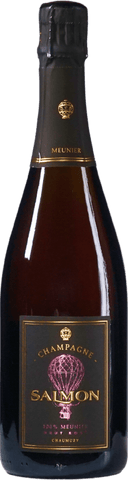
Meunier Brut Rosé

Montgolfière Rosé

Special Club
2015

Meunier Brut Blanc

The CHAMPAGNE SALMON tasting package

Montgolfière Brut

La Sereine

Brut Origine

Origine Rosé

Prestige Blanc de Blancs Terroir de Chardonnay

Grand Rosé


Champagne - From Blanc de Blancs to Rosé: Wine Culture with Soul
Do you wonder what makes Champagne so special? Whether you want to buy an exquisite champagne or simply immerse yourself in the world of this legendary wine region - Champagne magically attracts connoisseurs. The famous wine-growing region in northeastern France stands for sparkling elegance, diversity, and an incomparable wine style. Here, centuries of tradition and modernity combine to create sparkling wines that set global standards.
Champagne - Origin, Character & Diversity
Champagne, a traditional wine-growing region with a unique terroir, captivates with an unmistakable profile. This region produces sparkling wines of worldwide renown. Champagnes, whose character is shaped by the unique combination of climate, soils, and the art of blending. From fresh Blanc de Blancs to matured vintage cuvées, Champagne offers an impressive variety of styles that fascinate every connoisseur anew.
History & Significance of the Wine Region
The history of Champagne is as fascinating as its famous product. Already in the 17th century, monks like Dom Pérignon experimented with bottle fermentation and laid the foundation for Champagne's triumph. Since then, Champagne has become the epitome of luxury, festivity, and "savoir-vivre". No other drink has been so closely associated with royal coronations, lavish balls, and special moments. To this day, Champagne embodies prestige and joie de vivre. In Reims, the coronation city of the French kings, Champagne flowed in abundance at celebrations centuries ago. The region's significance is also reflected in its recognition by UNESCO: the historic vineyards, cellars, and houses of Champagne have been awarded World Heritage status. Today, wines from Champagne are sought after worldwide and stand like no other sparkling wine for elegance and pleasure.
Climate, Soils & Terroir Influences
Champagne is one of the northernmost wine-growing regions in the world. The climate is cool and semi-continental with oceanic influences, which has a significant climatic impact on viticulture. The grapes ripen slowly, thus retaining their invigorating acidity - a key to the freshness and finesse of the wines. Relatively mild summers, sufficient rainfall, and long ripening periods often characterized by autumn mists ensure that each vintage develops its own character. At least as important is the terroir. The soils of Champagne largely consist of limestone and chalk, interspersed with fossil belemnite chalk, which stores water and heat. This unique terroir gives the wines a fine minerality and elegant structure. From the Montagne de Reims to the Vallée de la Marne and the Côte des Blancs - each sub-region produces its own nuances. All these terroir influences intertwine and shape the unmistakable character of Champagnes.
Typical Grape Varieties & Wine Style
Three grape varieties dominate Champagne: Chardonnay, Pinot Noir, and Pinot Meunier. Chardonnay lends the wines elegance, freshness, and floral notes, Pinot Noir brings fullness, structure, and red fruit, while Pinot Meunier provides a soft texture and aromatic richness (especially with notes of yellow fruits). These three varieties form the basis of almost all cuvées - a seemingly small diversity of grape varieties, which nevertheless produces astonishingly diverse Champagne styles through different locations and maturation methods. Less common, traditional varieties such as Arbane or Pinot Blanc are permitted but play only a minimal role. The wine style of Champagne is unmistakable: through the méthode traditionnelle, i.e., bottle fermentation, sparkling wines with fine, long-lasting perlage and complex aromas are created. Typical notes are brioche, almonds, apple, and citrus fruits, often underpinned by a salty minerality from the terroir. Most Champagnes are produced as Brut (dry) - a style that emphasizes the balance between fruit and freshness. Depending on the dosage and cuvée, the spectrum ranges from very dry (Brut Nature) to semi-dry (Demi-Sec). Rosé Champagne, produced by adding a proportion of Pinot Noir, also shows the broad palette of Champagne in color and taste.
Important Wines & Appellations
In Champagne, the controlled designation of origin AOC "Champagne" applies, which precisely defines which wines may be called Champagne. Strict regulations - from the hand-picking of the grapes to the long bottle aging on lees - ensure quality. Within the region, there are 17 Grand Cru villages and numerous Premier Cru communes, which stand for top-class grape material. These geographical distinctions within the appellation underline the importance of the terroir and allow connoisseurs to trace the origin of a Champagne down to the exact village. Among the most important wines of the region are the prestige cuvées of the great Champagne houses, which are produced only in excellent years and with the best base wines. Vintage Champagnes are special rarities from the grapes of a single year and show the character of that year in its purest form. In contrast, Non-Vintage Champagnes blend base wines from several years to create the ideal house style cuvée - they guarantee consistent quality year after year. In addition to the world-renowned brands, a dynamic scene of independent winemakers has also established itself in recent decades. These so-called grower Champagnes, artisan wines produced by small family wineries, enrich Champagne with additional facets and are highly sought after by connoisseurs.
Wines from Champagne at Vioneers - Relevant Wineries
If you want to buy wine from Champagne, you'll find what you're looking for at Vioneers. Here, instead of large brand Champagnes, you'll primarily find characterful grower Champagnes from family-run estates. Champagne J.M. Goulard is an example: a boutique winery with around 7 hectares near Reims. Here, winemaker Damien Goulard focuses on sustainable cultivation and a lot of manual work in the cellar - the result is Champagnes with a personal touch that reflect the terroir of his homeland. Also Champagne L’Hoste Père & Fils, a third-generation family winery with about 15 hectares of vineyards, stands for authentic pleasure. The L’Hoste family of winemakers has a preference for Chardonnay, which gives their cuvées special elegance and finesse. Another insider tip is Champagne Salmon from the small village of Chaumuzy: The Salmon family boldly focuses on Pinot Meunier - the "outsider" among Champagne grape varieties - and thus creates unmistakable Champagnes full of character.
Conclusion
Champagne, like hardly any other region, unites tradition & modernity, terroir and craftsmanship - all of which is reflected in its wines. Every sip of Champagne tells of its origin, climate, and the passion of its producers. Have you now got a taste for exploring Champagne yourself? With a Champagne from our selection, you can do just that - bring a piece of this unique wine-growing region home and toast to "savoir-vivre"!