

Wine from Baden






Wine from Baden

Grauburgunder Löss
2025


Spätburgunder Kalkbödele
2024


Weißburgunder Chardonnay Oberrotweil
2022

Müller-Thurgau Loess
2023
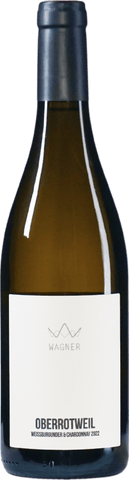
Weißburgunder Chardonnay Oberrotweil
2023

Grauburgunder Oberrotweil
2023

Blanc de Blancs brut nature
2021


Eichberg Pinot Noir GG
2021
Blanc de Blancs brut nature
2022

Weissburgunder Gutswein
2025

Spätburgunder Löss
2023

Grauburgunder Kalkbödele
2024


Baden - Sun-Drenched Vineyards, Characterful Wines
Baden wine - that's sunshine in a glass and diversity in taste. Baden, the sun-drenched wine region in southern Germany, delights with a unique combination of tradition and modernity. Here, in a mild, almost Mediterranean climate, characterful wines with regional identity thrive. From powerful Burgundy wines to delicate white wines, every drop reflects the special terroir diversity and the passion of its winemakers. Let yourself be enchanted by the Baden wine style and discover what makes wines from Baden so unmistakable.
History & Significance of the Wine Region
The Baden wine region can look back on a winemaking tradition spanning thousands of years. Even the Romans appreciated the mild climate on the Upper Rhine and planted the first vines here. Over the centuries, Baden developed into a significant player in German wine culture. Today, with around 15,000 hectares of vineyards, Baden is not only the third largest but also the southernmost wine region in Germany. This special location and significance are reflected in the diversity of wine styles that have emerged here. Baden wine enjoys an excellent reputation - often considered an insider tip domestically, as the people of Baden like to enjoy their wines themselves, and increasingly recognized internationally for its quality. Wine from Baden stands for a warm culture of enjoyment, rooted in tradition and shaped by continuous innovation from a new generation of winemakers.
Climate, Soils & Terroir Influences
Baden benefits from an exceptionally warm and sunny climate. Protected by the Vosges Mountains to the west and the Black Forest to the east, many areas enjoy a dry, almost Mediterranean microclimate. In the Kaiserstuhl - the heart of Baden - places like Ihringen record up to 1,800 hours of sunshine annually, a top figure in Germany. Warm air flows through the Burgundian Gate into the Rhine Valley, favoring the full ripening of even late-ripening grape varieties such as Spätburgunder and Chardonnay. The grapes here achieve a phenolic ripeness that is hardly possible elsewhere in Germany - accordingly, the wines present themselves as powerful and aromatic. The soils in Baden are also extremely diverse and lend the wines their character. In the Kaiserstuhl, black volcanic weathered soils and meter-high loess layers characterize the terroir. These volcanic soils store heat and release mineral spice to the vines, while the fertile loess provides depth, water retention, and a juicy structure. Just a few kilometers away, the neighboring Tuniberg shows how differently Baden can taste: Here, Jurassic limestone dominates under a loess cover, producing cooler, more delicate wines. For example, at Weingut Gebrüder Mathis in Tuniberg, particularly delicate Burgundy wines are produced. Overall, the geological palette ranges from granite and colored sandstone soils in northern Baden to shell limestone and clay in the Ortenau, and gravelly glacial soils on Lake Constance. This richness of climate and soil makes Baden one of Germany's most exciting wine regions - every valley and every hill has its own terroir secret.
Typical Grape Varieties & Wine Style
In Baden, an impressive diversity of grape varieties meets an unmistakable wine style. First and foremost is the Burgundy family: Spätburgunder, Grauburgunder (Pinot Gris), and Weißburgunder (Pinot Blanc) hold a place of honor. Powerful, deep red Spätburgunder red wines from Baden are now among the international elite. They combine fully ripe fruit with cool elegance and fine tannins. Grauburgunder, which was also called Ruländer in Baden in the past, presents itself here not as a simple everyday wine, but often creamy, mineral, and full-bodied. And Weißburgunder from Baden convinces with clear freshness, precision, and a subtle nuttiness. But Baden would not be so known for diversity if it didn't have even more to offer. In the Markgräflerland in the south, Gutedel (Chasselas) has always been cultivated - a slightly floral, mild white wine that perfectly suits the Baden way of life and is often enjoyed as a refreshing spritzer. In the Ortenau around Durbach, excellent Rieslings (also locally called Klingelberger) are found, which, thanks to the climate, are somewhat fuller and rounder here than in cooler regions, but still retain their elegance. Müller-Thurgau also finds ideal conditions in Baden and produces fruity, uncomplicated wines. Last but not least, some winemakers experiment with international varieties such as Cabernet Sauvignon, Merlot, or Syrah in particularly warm locations - for example, in the Kaiserstuhl - in small quantities, but with remarkable results. Almost all Baden wines have in common that they are dry and have an approachable character. They are full-bodied and aromatic, but often also straightforward and carefree to drink. This balance of power and drinkability makes Baden's wine style so attractive.
Significant Wines & Appellations
The diversity of Baden is also reflected in its regional specialties and appellations. The wine-growing region comprises nine areas (sub-regions) - from Tauberfranken in the north to Lake Constance in the south - and each area produces its own highlights. The Kaiserstuhl, for example, has a reputation as the home of great Burgundy wines, while the Ortenau is known for its Riesling Klingelberger and refined white wines. In Breisgau, aromatic Spätburgunder and Grauburgunder ripen on the foothills of the Black Forest, and the Markgräflerland is entirely dominated by Gutedel. Even Tauberfranken, located in the very north of Baden, offers a special feature with its Franconian Bocksbeutel charm and elegant Müller-Thurgau wines. No wonder that the wine nobility has also taken notice of Baden: numerous top Baden vineyards produce VDP.Große Gewächse - dry wines from first-class sites that cause a stir throughout Germany. There are also historically noteworthy facts: the first Spätburgunder on German soil was planted on Lake Constance as early as 884, a heritage that lives on today in the form of velvety Lake Constance Pinots. Whether Rotling (a rosé from red and white grapes) or Weißherbst (lightly pressed rosé from a single grape variety and site) - Baden has the right wine for every palate and occasion. This range of wine styles and appellations makes Baden so significant in the wine world.
Wines from Baden at Vioneers - Relevant Wineries
Would you like to discover and buy wines from Baden online? At Vioneers, you will find a curated selection of first-class Baden wineries that represent the diversity of this region. For example, the renowned Weingut Salwey in Kaiserstuhl: Here, characterful Spätburgunder and white Burgundy wines are created, characterized by the volcanic terroir and the philosophy of producing only dry wines of high precision. Or the aspiring Weingut Peter Wagner in Oberrotweil, which creates a stir with slender, elegant Burgundy wines and fresh white wines. Furthermore, Vioneers offers the wines of the young winemakers from Weingut Gebrüder Mathis (Tuniberg), whose modern interpretation of traditional grape varieties delights wine lovers. Each of these wineries combines terroir knowledge, craftsmanship, and passion. Discover Baden wines that will convince you with quality and character, from full-bodied Spätburgunder to fragrant white wine.
Conclusion
Baden is a wine country of sun, diversity, and enjoyment. The combination of the warmest climate, varied soils, and a rich tradition, revived by a new generation with fresh ideas, creates wines full of character and charm. In every glass of Baden wine, you taste a piece of its origin - be it the volcanic spice of the Kaiserstuhl, the delicate fruit of the limestone soils, or simply the joie de vivre of the region. Let yourself be inspired by this special wine region and discover the Baden way of wine enjoyment - knowledgeable like a sommelier, told like among wine lovers. Cheers!
Baden wine - that's sunshine in a glass and diversity in taste. Baden, the sun-drenched wine region in southern Germany, delights with a unique combination of tradition and modernity. Here, in a mild, almost Mediterranean climate, characterful wines with regional identity thrive. From powerful Burgundy wines to delicate white wines, every drop reflects the special terroir diversity and the passion of its winemakers. Let yourself be enchanted by the Baden wine style and discover what makes wines from Baden so unmistakable.
History & Significance of the Wine Region
The Baden wine region can look back on a winemaking tradition spanning thousands of years. Even the Romans appreciated the mild climate on the Upper Rhine and planted the first vines here. Over the centuries, Baden developed into a significant player in German wine culture. Today, with around 15,000 hectares of vineyards, Baden is not only the third largest but also the southernmost wine region in Germany. This special location and significance are reflected in the diversity of wine styles that have emerged here. Baden wine enjoys an excellent reputation - often considered an insider tip domestically, as the people of Baden like to enjoy their wines themselves, and increasingly recognized internationally for its quality. Wine from Baden stands for a warm culture of enjoyment, rooted in tradition and shaped by continuous innovation from a new generation of winemakers.
Climate, Soils & Terroir Influences
Baden benefits from an exceptionally warm and sunny climate. Protected by the Vosges Mountains to the west and the Black Forest to the east, many areas enjoy a dry, almost Mediterranean microclimate. In the Kaiserstuhl - the heart of Baden - places like Ihringen record up to 1,800 hours of sunshine annually, a top figure in Germany. Warm air flows through the Burgundian Gate into the Rhine Valley, favoring the full ripening of even late-ripening grape varieties such as Spätburgunder and Chardonnay. The grapes here achieve a phenolic ripeness that is hardly possible elsewhere in Germany - accordingly, the wines present themselves as powerful and aromatic. The soils in Baden are also extremely diverse and lend the wines their character. In the Kaiserstuhl, black volcanic weathered soils and meter-high loess layers characterize the terroir. These volcanic soils store heat and release mineral spice to the vines, while the fertile loess provides depth, water retention, and a juicy structure. Just a few kilometers away, the neighboring Tuniberg shows how differently Baden can taste: Here, Jurassic limestone dominates under a loess cover, producing cooler, more delicate wines. For example, at Weingut Gebrüder Mathis in Tuniberg, particularly delicate Burgundy wines are produced. Overall, the geological palette ranges from granite and colored sandstone soils in northern Baden to shell limestone and clay in the Ortenau, and gravelly glacial soils on Lake Constance. This richness of climate and soil makes Baden one of Germany's most exciting wine regions - every valley and every hill has its own terroir secret.
Typical Grape Varieties & Wine Style
In Baden, an impressive diversity of grape varieties meets an unmistakable wine style. First and foremost is the Burgundy family: Spätburgunder, Grauburgunder (Pinot Gris), and Weißburgunder (Pinot Blanc) hold a place of honor. Powerful, deep red Spätburgunder red wines from Baden are now among the international elite. They combine fully ripe fruit with cool elegance and fine tannins. Grauburgunder, which was also called Ruländer in Baden in the past, presents itself here not as a simple everyday wine, but often creamy, mineral, and full-bodied. And Weißburgunder from Baden convinces with clear freshness, precision, and a subtle nuttiness. But Baden would not be so known for diversity if it didn't have even more to offer. In the Markgräflerland in the south, Gutedel (Chasselas) has always been cultivated - a slightly floral, mild white wine that perfectly suits the Baden way of life and is often enjoyed as a refreshing spritzer. In the Ortenau around Durbach, excellent Rieslings (also locally called Klingelberger) are found, which, thanks to the climate, are somewhat fuller and rounder here than in cooler regions, but still retain their elegance. Müller-Thurgau also finds ideal conditions in Baden and produces fruity, uncomplicated wines. Last but not least, some winemakers experiment with international varieties such as Cabernet Sauvignon, Merlot, or Syrah in particularly warm locations - for example, in the Kaiserstuhl - in small quantities, but with remarkable results. Almost all Baden wines have in common that they are dry and have an approachable character. They are full-bodied and aromatic, but often also straightforward and carefree to drink. This balance of power and drinkability makes Baden's wine style so attractive.
Significant Wines & Appellations
The diversity of Baden is also reflected in its regional specialties and appellations. The wine-growing region comprises nine areas (sub-regions) - from Tauberfranken in the north to Lake Constance in the south - and each area produces its own highlights. The Kaiserstuhl, for example, has a reputation as the home of great Burgundy wines, while the Ortenau is known for its Riesling Klingelberger and refined white wines. In Breisgau, aromatic Spätburgunder and Grauburgunder ripen on the foothills of the Black Forest, and the Markgräflerland is entirely dominated by Gutedel. Even Tauberfranken, located in the very north of Baden, offers a special feature with its Franconian Bocksbeutel charm and elegant Müller-Thurgau wines. No wonder that the wine nobility has also taken notice of Baden: numerous top Baden vineyards produce VDP.Große Gewächse - dry wines from first-class sites that cause a stir throughout Germany. There are also historically noteworthy facts: the first Spätburgunder on German soil was planted on Lake Constance as early as 884, a heritage that lives on today in the form of velvety Lake Constance Pinots. Whether Rotling (a rosé from red and white grapes) or Weißherbst (lightly pressed rosé from a single grape variety and site) - Baden has the right wine for every palate and occasion. This range of wine styles and appellations makes Baden so significant in the wine world.
Wines from Baden at Vioneers - Relevant Wineries
Would you like to discover and buy wines from Baden online? At Vioneers, you will find a curated selection of first-class Baden wineries that represent the diversity of this region. For example, the renowned Weingut Salwey in Kaiserstuhl: Here, characterful Spätburgunder and white Burgundy wines are created, characterized by the volcanic terroir and the philosophy of producing only dry wines of high precision. Or the aspiring Weingut Peter Wagner in Oberrotweil, which creates a stir with slender, elegant Burgundy wines and fresh white wines. Furthermore, Vioneers offers the wines of the young winemakers from Weingut Gebrüder Mathis (Tuniberg), whose modern interpretation of traditional grape varieties delights wine lovers. Each of these wineries combines terroir knowledge, craftsmanship, and passion. Discover Baden wines that will convince you with quality and character, from full-bodied Spätburgunder to fragrant white wine.
Conclusion
Baden is a wine country of sun, diversity, and enjoyment. The combination of the warmest climate, varied soils, and a rich tradition, revived by a new generation with fresh ideas, creates wines full of character and charm. In every glass of Baden wine, you taste a piece of its origin - be it the volcanic spice of the Kaiserstuhl, the delicate fruit of the limestone soils, or simply the joie de vivre of the region. Let yourself be inspired by this special wine region and discover the Baden way of wine enjoyment - knowledgeable like a sommelier, told like among wine lovers. Cheers!