

Pinot Gris






Pinot Gris

Pinot Grigio
2024


Grauburgunder Tuniberg
2023

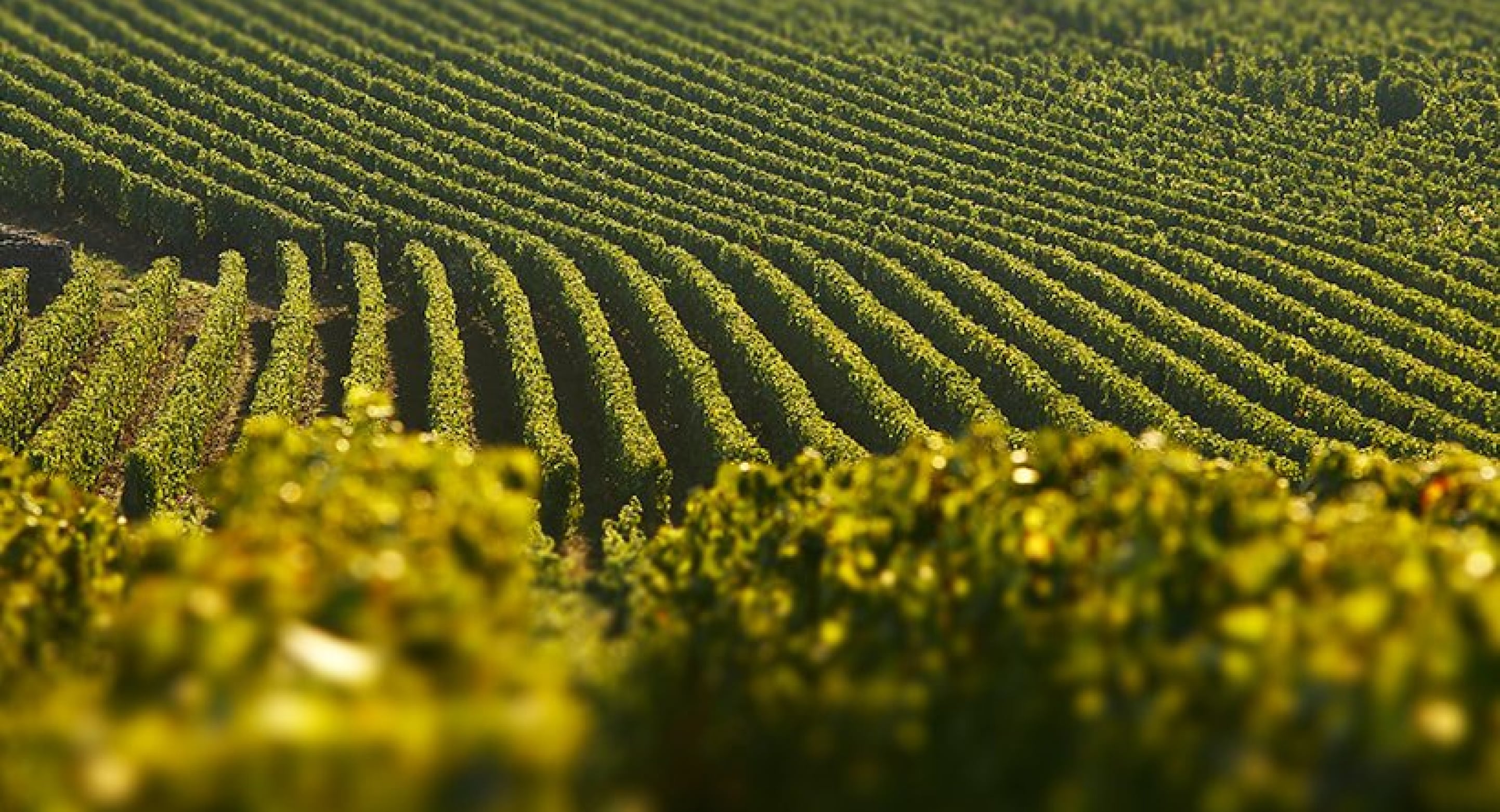
Pinot Gris - A Multi-faceted White Wine Classic
Pinot Gris, also known as Pinot Grigio, belongs to the Burgundy grape family and delights wine lovers around the world. Its pale golden color, sometimes with slight copper reflections, and its complex bouquet make it a versatile pleasure. From crisp and fresh to full-bodied and creamy – Pinot Gris wines offer a wide range of styles and wonderfully adapt to different occasions. In Germany, this grape variety is one of the most popular white wines, and internationally it has also made a name for itself as an elegant, characterful wine.
Biology of the Grape / Ampelography
As a mutation of Pinot Noir, Pinot Gris is part of the Burgundy family. Despite its reddish-grey skin, it is considered a white wine variety because the pulp is light and the pigment in the skin is not sufficient to produce a red wine. Its grapes show a pink-grey coloration when fully ripe – hence the name “grey Burgundy”.
The grape variety was first mentioned in Germany in the 18th century, when the merchant Johann Ruland discovered wild-growing vines in the Palatinate region. This discovery also led to the historical name "Ruländer", which is still used today for particularly rich or noble sweet Pinot Gris. Internationally, Pinot Gris is known by many synonyms: in France it is called Pinot Gris, in Italy Pinot Grigio, and even in Hungary it is known as Szürkebarát ("grey monk"). With over 7,000 hectares of vineyards, Germany is now the second-largest growing country for Pinot Gris after Italy – a testament to the enduring popularity of this variety.
Climate, Soil & Growing Conditions
Pinot Gris thrives best in temperate climates with sufficient sunshine. In German wine regions such as Baden, Pfalz, or Rheinhessen, it feels just as at home as in the cooler regions of Northern Italy or Alsace. The vine buds relatively late and is robust – it is not very susceptible to spring frost and vine diseases, which makes it very popular with winemakers.
Regarding soils, Pinot Gris proves adaptable: it develops its full potential particularly on deep, fertile loess and limestone soils. Such soil types retain water and heat well, which helps the grapes achieve high must weights and rich aromatics. However, Pinot Gris naturally tends to yield considerable harvests. Quality-conscious winemakers therefore often deliberately reduce the yield (e.g., through green harvesting) to increase the concentration and quality of the grapes. The result is extract-rich wines in which the terroir – meaning the soil and microclimate of the site – is clearly reflected.
Vinification, Style & Typical Character
Dry or sweet? Stainless steel tank or barrique? The style of a Pinot Gris is strongly shaped by the vinification process in the cellar. Modern Pinot Gris wines are usually vinified dry and often harvested a little earlier to achieve an invigorating freshness and a balanced acidity profile. Traditionally, there was also the sweet or noble sweet "Ruländer" variant, but today, clearly structured, dry wines dominate the picture.
Fermented and aged in stainless steel tanks, the wine retains its varietal primary aromas of juicy fruit. Cool-fermented Pinot Gris wines often present themselves as fresh, fruit-driven, and uncomplicated. If the wines are, however, aged in wooden barrels or barriques, they usually undergo malolactic fermentation. Such Pinot Gris wines appear softer, creamier, and can exhibit subtle toasted aromas like vanilla, nut, or a hint of smoke. Typical for Pinot Gris is its low-acid profile, paired with a medium to full body. In terms of aroma and taste, it delights with notes of yellow apple, ripe pear, quince, and citrus fruits. Depending on the vinification style, hints of peach, melon, or exotic fruits also emerge, accompanied by a touch of almond or honey. High-quality Pinot Gris from top sites often have a fine minerality and a creamy melt on the palate – characteristics that make it a true all-rounder.
Famous Growing Regions & Regional Characteristics
In Germany, Baden (especially the Kaiserstuhl), the Pfalz, and Rheinhessen are considered strongholds of Pinot Gris. Baden, with its warm climate and volcanic soils on the Kaiserstuhl, often produces powerful, full-bodied Pinot Gris with subtle spice. In the Pfalz, elegant, fruit-driven variants are created on limestone and loess soils, while Rheinhessen is known for balanced and harmonious Pinot Gris. Excellent representatives of this grape variety can also be found on the Nahe, in Franken, or even in Southern Styria (Austria).
France's Alsace region produces Pinot Gris, which are often somewhat more opulent and not infrequently made with a slight residual sweetness – there, Pinot Gris is enjoyed with regional cuisine like Flammkuchen or Munster cheese. Italy, as Pinot Grigio, primarily offers a lighter, crisper interpretation: especially from regions like South Tyrol (Alto Adige), Friuli, or Veneto, fresh, mineral Pinot Grigio wines come that are excellent as an aperitif or patio wine. Furthermore, Pinot Gris has long since made the leap across the Atlantic. Overseas – for example in Canada (Okanagan Valley) or in Oregon and California in the USA – high-quality Pinot Gris wines are also produced. These often combine new, exotic fruit notes with the cool elegance of the grape variety and show the potential this grape variety can unfold in different terroirs.
Pinot Gris at Vioneers – Our Wineries & Collections
Would you like to buy Pinot Gris wines online?
At Vioneers, you will find an exquisite selection of Pinot Gris wines from various boutique wineries. For example, we offer Pinot Gris from the Palatinate from the ambitious Weingut Felix Mayer, whose white wines impress with power and finesse. From Baden, we present you with characterful growths from Weingut Gebrüder Mathis – for instance, from the Tuniberg, where the loess soil gives the Pinot Gris a particularly fruity note. We have also found international treasures: you can discover the 50th Parallel Estate Winery from Canada, which impressively demonstrates the potential of Pinot Gris overseas in the Okanagan Valley. These and other wineries in our assortment reflect the full spectrum of Pinot Gris – from classic German interpretations to exciting new discoveries from the wine world. Feel free to browse our offerings and find the Pinot Gris that best suits your taste.
FAQ – Frequently Asked Questions about Pinot Gris
Is Pinot Gris always dry?
Most Pinot Gris are now vinified dry, especially the quality wines from Germany. However, there are also off-dry or sweet varieties. A traditionally sweet Pinot Gris is often called "Ruländer" – especially in Baden, you can find such noble sweet Spätlesen and Auslesen. Generally, however, you can assume that a Pinot Gris is usually dry, unless stated otherwise.
Is Pinot Gris the same as Pinot Grigio?
Yes, it is the same grape variety – both names refer to Pinot Gris. Similarly, "Pinot Gris" is merely the French designation. However, these terms often stand for different styles: "Pinot Grigio" from Italy is usually light, crisp, and uncomplicated, while a French "Pinot Gris" from Alsace can be more robust and sometimes slightly off-dry. Pinot Gris from Germany often lies stylistically in between: dry, fruit-driven, and full-bodied. Ultimately, however, climate and vinification determine the wine style, not the name on the label.
What food pairs with Pinot Gris?
Pinot Gris is an excellent food companion, precisely because it brings a mild acidity and a lot of body. Dry, young Pinot Gris wines go wonderfully with fish and seafood, light meats like poultry or veal, and creamy pasta dishes. Pinot Gris is also a good choice with mild to medium-strength cheeses – such as Camembert or young mountain cheese. More robust examples aged in oak barrels can even stand up to lamb, game poultry, or hearty mushroom dishes. Thanks to its versatility, you will find a suitable Pinot Gris for almost any dish.
How cold should Pinot Gris be served?
Pinot Gris feels most comfortable in the glass with moderate chilling. About 8-10 °C is ideal for lighter, young wines. More robust, wood-aged Pinot Gris can also be served at 11-12 °C, so that their full aroma can unfold. It is best to use a bulbous white wine glass – this offers enough space for the complex aromas. And don't worry: whether you enjoy it immediately after opening or let the wine breathe for a few minutes, Pinot Gris is very accessible and quickly develops its charming bouquet.
How long can Pinot Gris be stored, and how long does it last after opening?
Most Pinot Gris are made to be drunk young – within 1 to 3 years after harvest, they taste the freshest and fruitiest. However, premium wines from special sites or Pinot Gris aged in barriques can also age for 5 to 8 years and gain complexity. After opening a bottle, you should store the wine well-sealed in the refrigerator. This way, a Pinot Gris remains enjoyable for about 2 to 3 days without significantly losing aroma.