

Pinot Blanc






Pinot Blanc

Winterbacher Weißburgunder
2025


Weißburgunder Hungerberg GG
2021
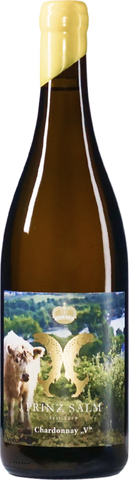
Weißburgunder V
2021

Pinot Blanc Kirschgarten GG
2022

Pinot Blanc
2024
Pinot Blanc Kirschgarten GG
2023

Kapellenkeller Blanc de Macération
2022
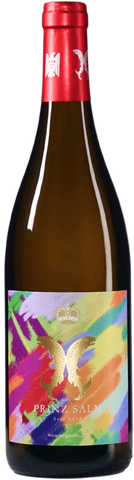
Weißburgunder V
2022
Winterbacher Weißburgunder
2023

Pinot Blanc
2020


Pinot Blanc - elegant restraint with a refined touch
Pinot Blanc – known in France as Pinot Blanc and in Italy as Pinot Bianco – is one of the quiet classics among white grape varieties. It stands for elegance without fuss, for substance instead of show. Where Chardonnay scores with charisma, Pinot Blanc convinces with balance: subtle in aroma, yet structurally precise and with astonishing complexity. A wine for people who appreciate quiet tones – but love clear edges.
Biology of the Grape / Ampelography
Pinot Blanc is a natural mutation of Pinot Noir and thus part of the widespread Pinot family. The vines produce medium-sized, thin-skinned berries with a light, slightly green-gold color. The fine berry skin and moderate acidity result in harmonious, balanced wines with a soft texture. Ampelographically, the grape variety can be recognized by its light berry color, compact cluster structure, and delicate leaves – a typical representative of the Pinot dynasty, sensitive yet noble in character.
Famous Growing Regions & Regional Characteristics
Even if the name suggests otherwise: Pinot Blanc does not originate from Burgundy. It is rather a natural mutation of Pinot Noir, which has its true home in Central Europe. Today, it is one of Germany's most important white grape varieties – with concentrations in Baden, Pfalz, and Rheinhessen. Here, both fresh, mineral wines and creamy-textured wines with a fine melt are produced. Internationally, the grape variety is particularly valued as Pinot Blanc or Pinot Bianco in Alsace, South Tyrol, Austria, and Northern Italy. Each region lends it its own signature – from crisp citrus freshness to nutty, ripe elegance – yet the core always remains the same: precision, balance, and an understated class that makes Pinot Blanc so timeless.
Maturation, Style & Typical Character
Pinot Blanc stands for finesse and versatility. Its aroma profile ranges from green apples, pear, and citrus to delicate floral notes, as well as nut and fine butter – depending on maturation. In stainless steel, clear, fresh, and mineral wines are produced, while oak barrel aging lends it volume, melt, and depth. Acidity is usually moderate, and the mouthfeel is harmonious. In good years, Pinot Blanc leaves a fine grip on the tongue reminiscent of chalk and stone – elegant, not obtrusive, but unmistakable. Whether as an uncomplicated terrace wine or as a gastronomic companion: it always remains serious, stylish, and self-assured.
Famous Growing Regions & Regional Characteristics
In Germany, Pinot Blanc has long achieved cult status. Especially in Baden and the Pfalz, it shows its versatility – from fresh lightness to creamy reserve quality. In Alsace, Pinot Blanc is traditionally part of aromatically fragrant cuvées, which thrive on freshness and elegance. South Tyrol offers finely structured, taut variants with alpine freshness from high-altitude Pinot Bianco (e.g., Eppan or Kaltern). In France, Italy, Austria, and even Slovenia or Canada, the grape variety is increasingly valued – a testament to its adaptability and international potential. Each region contributes its own signature, from mineral and clear to full-bodied and velvety.
Grape Variety at Vioneers - Relevant Wineries / Collections
At Vioneers, you will find Pinot Blanc in its full stylistic range: from the precise, straightforward Pinot Blanc of Weingut Philipp Kuhn from the Pfalz to the delicate but characterful variants of Baden's Weingut Salwey and the powerful yet elegant wines of Weingut Jürgen Ellwanger from Württemberg. Each collection shows how diverse yet unmistakable the signature of Pinot Blanc can be – pure, subtle, and timeless.
FAQ
Is Pinot Blanc always dry?
No. While most Pinot Blancs are produced dry, there are also off-dry or semi-dry variants. The winemaker's style and the wine's region of origin are decisive.
How does Pinot Blanc differ from Pinot Gris?
Pinot Blanc is finer, cooler, and often more elegant than its grey relative. While Pinot Gris tends to be fuller and creamier, Pinot Blanc exhibits more freshness and precision – a difference that is particularly noticeable in the glass.
How does Pinot Blanc typically taste?
Typical aromas include apple, pear, citrus, and fine nut, accompanied by moderate acidity and a creamy mouthfeel. The taste strongly depends on the maturation (stainless steel vs. wood) and the terroir.
What foods pair well with Pinot Blanc?
Pinot Blanc is an all-rounder at the table: ideal with fish, white meat, asparagus, salads, or pasta with cream sauce. Its harmonious structure complements many dishes without overpowering them.
How long can Pinot Blanc be stored? Fresh varieties are best young, while richer wines from wood can mature for several years. Good Pinot Blancs gain complexity and melt with time.
pinot blanc is good