

Wine from Beaujolais






Wine from Beaujolais
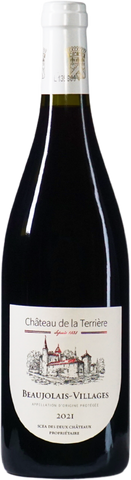
Beaujolais Villages
2021
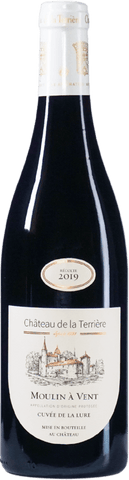
Moulin-à-Vent Cuvée de la Lure
2020
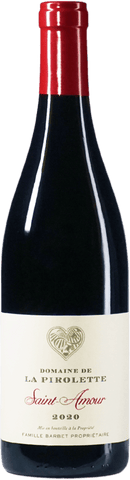
Saint Amour
2023

Brouilly Jules du Souzy
2022

Saint Amour Le Carjot
2022


Saint Amour
2022

Brouilly Jules du Souzy
2020

Das TERRIERE Probierpaket
Saint Amour Le Carjot
2019


Discover Beaujolais Red Wine - Gamay from the Heart of France
Gentle rolling hills, charming villages, and vibrant vineyards – Beaujolais welcomes you with a unique character and astonishing diversity. This wine region in southern Burgundy is famous for its light, fruit-driven red wines that immediately captivate. From the uncomplicated Beaujolais Nouveau to characterful Crus, the region offers an exciting range of wine styles for connoisseurs. Here, tradition and modernity meet in perfect harmony, inviting you to discover the soul of Beaujolais, sip by sip.
Beaujolais - Origin, Character & Diversity
Beaujolais, the name alone conjures images of ruby-red wines and convivial gatherings. Geographically, the region belongs to Burgundy, yet its wines possess a character all their own. North of Lyon, Beaujolais stretches about 50 kilometers in length; a narrow strip of vineyards, a maximum of 15 km wide, running along the slopes of the Saône. The area takes its name from the ancient noble family of Beaujeu, but today it is synonymous with carefree red wine enjoyment. Nearly 23,000 hectares of vineyards predominantly produce red wine here, delighting with juicy fruit, mild tannins, and a hint of minerality. Despite limited grape variety – red wine from Beaujolais is almost exclusively made from Gamay – an impressive diversity of wine styles emerges due to different terroirs and locations. Wondering what makes Beaujolais so special? It's the combination of origin, character, and diversity: a distinct wine region that brings both joie de vivre and finesse to the bottle.
History & Significance of the Wine Region
The Romans already recognized the potential of the slopes in Beaujolais and planted the first vines here centuries ago. Later, Benedictine monks in the Middle Ages refined viticulture and laid the foundation for today's wine tradition. The name of the region derives from the Lords of Beaujeu – they left behind not only a castle but also their name for this special wine region. In the 20th century, Beaujolais gained worldwide fame through Beaujolais Nouveau (also called Primeur): a young wine traditionally released on the third Thursday of November, whose launch was once celebrated like a festival. This marketing sensation of the 1980s made Beaujolais a topic of conversation among wine lovers but at times suffered from quality issues. However, the region has renewed itself. Today, many winemakers are focusing on quality and origin – tradition and modernity intertwine. Ambitious young oenologists and traditional family wineries work hand in hand to strengthen Beaujolais' reputation as a source of fresh, aromatic red wines. The significance of the region now lies in its rediscovery: as an authentic terroir for characterful wines that refutes old prejudices with every new bottle.
Climate, Soils & Terroir Influences
Beaujolais enjoys a favorable climate with diverse influences. Here, continental freshness from the north, Atlantic winds, and Mediterranean warmth from the south converge – a unique climatic influence that provides optimal conditions for the grapes. Summers are sunny enough to allow Gamay to ripen fully, while cool nights ensure vibrant acidity. Protected by mountain ranges from overly moist air currents, individual microclimates develop in the various valleys. Equally diverse is the soil, which shapes the terroir characteristics of the wines: The southern part of the region is dominated by calcareous clay, which produces lighter, early-drinking wines. In the north, however, barren granite and schist are found – soils on which the best sites of Beaujolais-Villages and especially the Crus thrive. This poor, stony terroir forces the vines to root deeply, imparting minerality, finesse, and structure to the wines. Every slope, every soil here tells its own story: From fragrant, floral aromas from sandy granite soils to spicier notes from manganese-rich clay soils. Terroir influences are omnipresent in Beaujolais – they ensure that two wines from neighboring villages can taste surprisingly different. This unique combination of climate, soils, and landscape (incidentally recognized as a UNESCO Geopark since 2018) makes Beaujolais an exciting mosaic of wine personalities.
Typical Grape Varieties & Wine Styles
In Beaujolais, one grape variety takes center stage: Gamay. With almost 99% of the vineyard area, this red grape is the star of the growing region. Gamay, officially Gamay Noir à Jus Blanc, has dark skins but light pulp – a special feature that explains the light, fruity wine style. Red wines from Beaujolais usually present themselves in a brilliant ruby red, with aromas of red berries such as strawberry, raspberry, or cherry. Through the traditional method of carbonic maceration (macération carbonique), especially for young wines, playful notes such as banana or violet also emerge, which many connoisseurs greet with a smile in their glass. Typical characteristics are their light to medium body, soft tannins, and refreshing acidity – qualities that make the wine so approachable. Despite the rather low grape variety diversity (besides Gamay, only a small area is planted with Chardonnay for white wine), Beaujolais offers astonishingly different styles: From the uncomplicated, fresh Beaujolais for everyday drinking to the somewhat more substantial Beaujolais-Villages and the complex Crus. The wines from the Cru sites often surprise with depth and structure: a Morgon can appear powerful and earthy, while a Fleurie smells elegant and floral. Some of these top growths even age for several years, developing spicy nuances of pepper, truffle, or game. Thus, the wine style in Beaujolais ranges from young & fruity to surprisingly sophisticated – inviting you to discover new facets of this unique grape.
Significant Wines & Appellations
The quality pyramid in Beaujolais is divided into three levels: Beaujolais AOC, Beaujolais-Villages AOC, and the ten Crus – those special appellations that define the region's renown. At the base are the simple Beaujolais wines (often without vineyard designation), predominantly from the southern part of the region. They are light, fruity, and intended for immediate enjoyment – often drunk as Primeur in the year of harvest. A step higher are the Beaujolais-Villages, which come from selected villages (especially in the central and northern sections) and already show a bit more character and depth. The peak is formed by the famous Cru wines: ten named growing areas in northern Beaujolais, known for their distinct, high-quality wines. Each of these Crus – Saint-Amour, Juliénas, Chénas, Moulin-à-Vent, Fleurie, Chiroubles, Morgon, Régnié, Côte de Brouilly, and Brouilly – possesses an unmistakable profile. For example, a Saint-Amour captivates with enticing aromatics and silky elegance, while a powerful Moulin-à-Vent shines with structure and aging potential. Morgon often delivers darker fruit and earthy spice, while Fleurie, true to its name, appears floral and delicate. These Crus represent the best Beaujolais has to offer and prove that more than just Nouveau wine is produced here. Apropos Nouveau: Beaujolais Nouveau deserves special mention as a phenomenon. As the first wine of the vintage, it has made the region famous worldwide – with its uncomplicated, exuberantly fruity character and the annual hype surrounding its release. But one should not forget the other treasures of Beaujolais. Whether a simple Beaujolais, a Village, or a Cru – they all contribute to the region's identity and offer the right wine for every occasion.
Wines from Beaujolais at Vioneers - Relevant Wineries
Would you like to experience the irresistible wines of Beaujolais yourself? We work with selected wineries that authentically bring the terroir and tradition of the region to the bottle. This includes, for example, the historic Château de la Terrière from the heart of Brouilly – one of the renowned Crus. Gamay vines have been cultivated here at the foot of Mont Brouilly since the 14th century, which is reflected in the depth and spice of the wines. Likewise, the charming Domaine de la Pirolette in picturesque Saint-Amour offers first-class Crus with a special spirit. This traditional winery, located in the northernmost Beaujolais Cru, combines modern expertise with local roots and creates red wines full of finesse and aromatics. You can discover the wines of these estates – from juicy-fruity young wines to structured top Crus – in our shop. Every sip brings you closer to Beaujolais, its sites, and passionate winemakers.
Conclusion
Beaujolais impressively demonstrates that great wine enjoyment doesn't have to be complicated. The region combines joy of life and tradition, terroir and craftsmanship in its wines. From the gentle hills north of Lyon, red wines come to us that convince with their freshness, aromatics, and accessibility – and at the same time possess enough depth to impress connoisseurs. Whether you enjoy a light, chilled Beaujolais on a warm summer evening or open a multifaceted Cru for a special occasion: A touch of "savoir-vivre" always resonates, that typical French way of life. At Vioneers, you will find a select choice of these charming wines from Beaujolais, presented by winemakers who make their home perceptible in the glass. Discover the diversity of the Gamay grape and let yourself be enchanted by the character of this unique wine region. Santé – to your journey of discovery into Beaujolais!