
Tenuta del Fontino
Women's Power in Tuscany
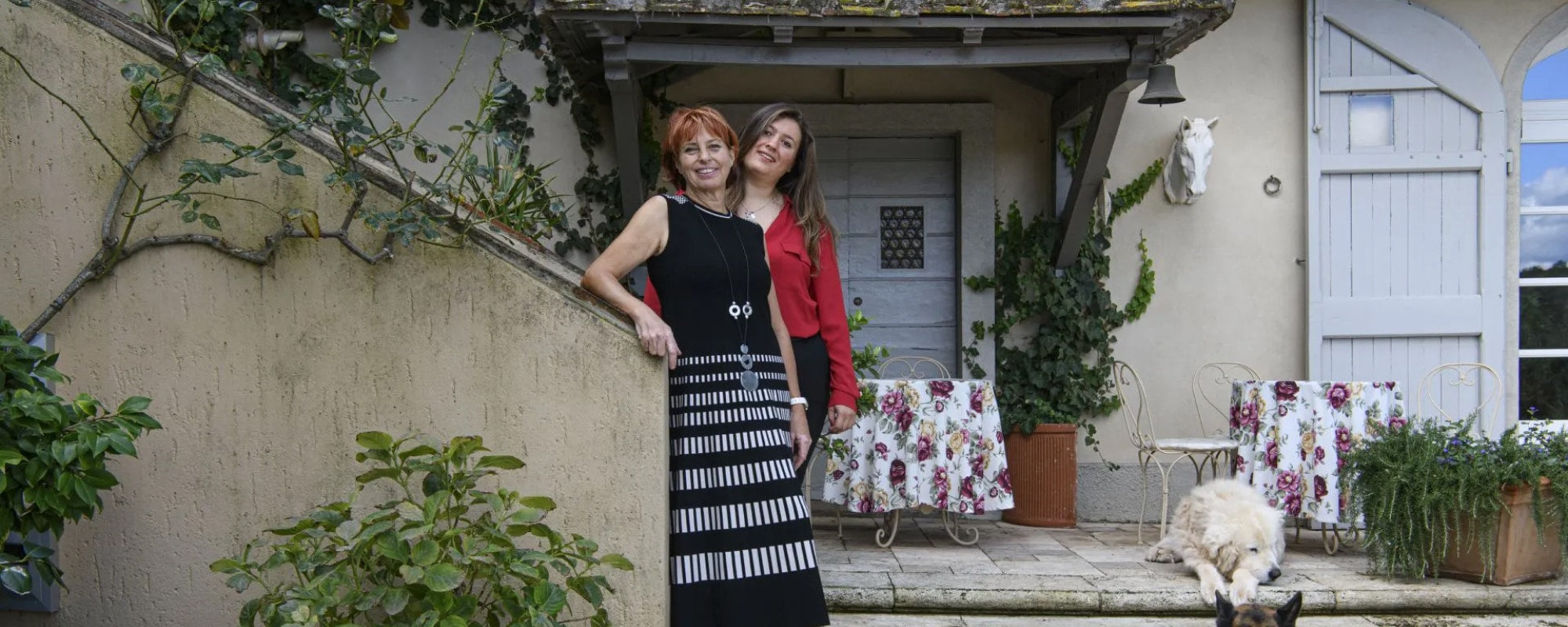
Adelheid Puntscher and her daughter Marie Sophie grow biodynamic wines on over 15 hectares in Tuscany. The wines are the microphone for unique terroir.


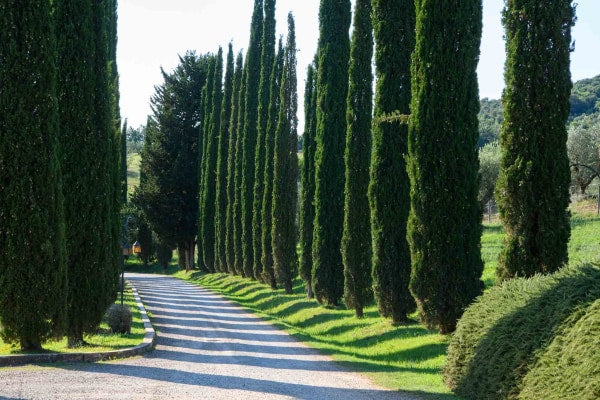
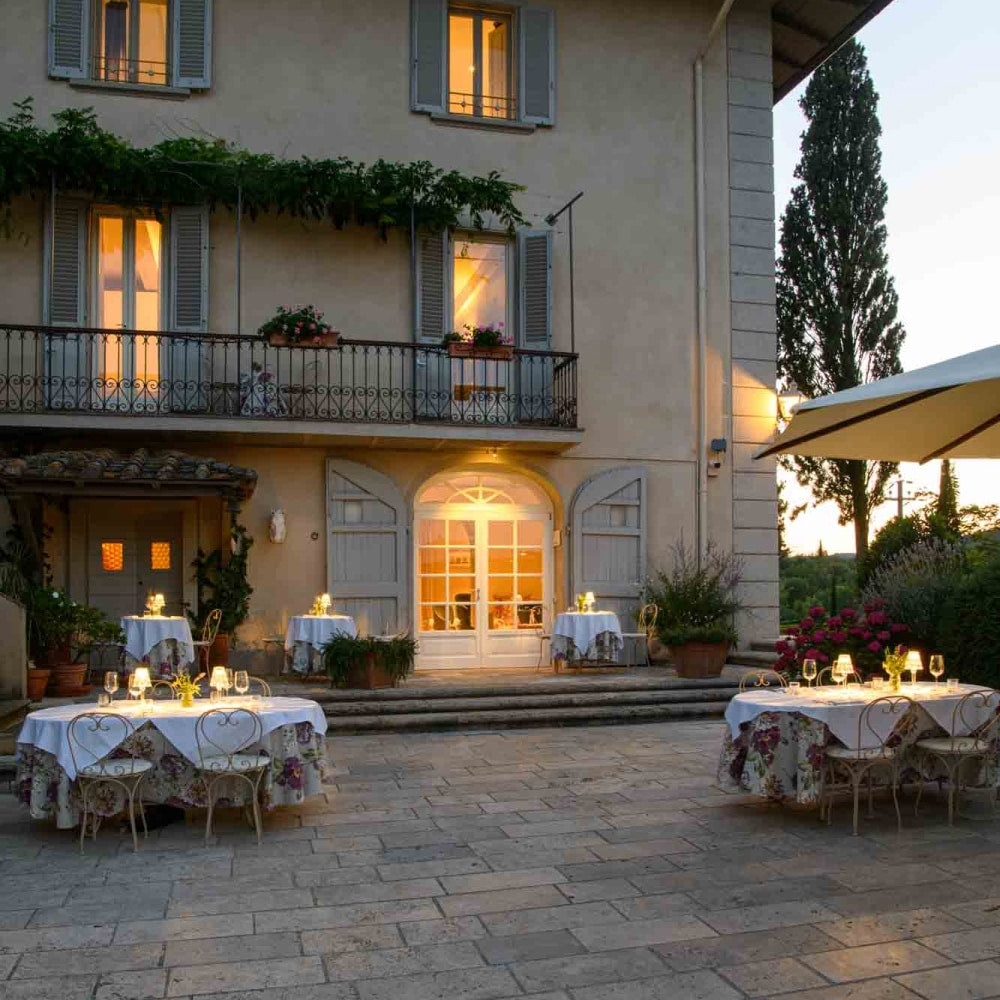
Mother and daughter grow biodynamic wines in the beautiful Maremma Tuscany.
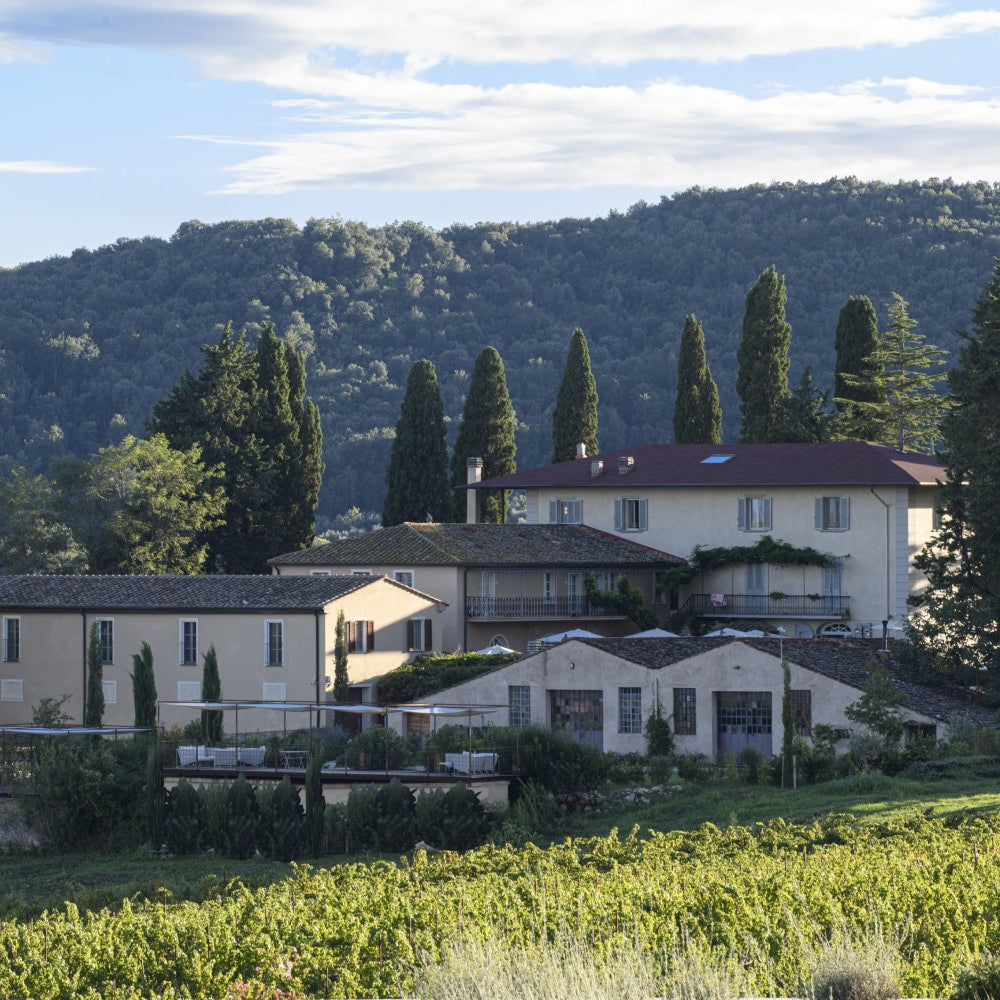
It was 1970 when the Puntscher family took over the Tenuta del Fontino winery in the Tuscan Maremma (near the sea). An integral part of the land was not only the 15 hectares of vineyards, but also a further 735 hectares of forest, meadows, olive groves, accommodation and production buildings and a private bathing lake of considerable size.
Mother and daughter Puntscher rule over these lands and engage in tourism and fabulous winemaking. The barren vineyards produce charismatic wine with a lot of character.
In 2016, the conversion to a biodynamic and Demeter-certified winery was initiated. Since 2020, only biodynamic wine has been produced. As consulting oenologists, Eva Volpi and Andrea di Maio are heavily involved in the creation of the characterful wines - the microphone of the terroir. Spontaneously fermented wines are bottled unfiltered and sing their moving song of the beauty and richness of the landscape. The wines are a reflection of what happens in the vineyard during the year.
In addition to winemaking, the focus of the Toskana-Frauenpower team is on simple and elegant hospitality, which not only meets the highest standards in accommodation and wine, but also excels in culinary terms. The close connection with the surrounding nature, the lush lands, the bathing lake are the absolute highlight of a stay in the microcosm of Tenuta del Fontino in the Tuscan Maremma.


One step back = one big step forward.
It is no surprise that the women's power wines from Tuscany have been biodynamic and Demeter certified since 2020. In harmony with nature, they not only want to grow wine here, but also live, take steps into the future and positively combine the present with an inevitable sustainability debate.
The symbiosis of man and nature is lived here with passion - Demeter-certified, biodynamic and passionate:
In 2016 the Puntscher family decided to adopt the biodynamic method, with the aim of maintaining a completely natural agriculture, which preserves the fertility of the soil with cultivation techniques that use crop rotation and organic fertilizers, without the use of chemical agents. A process that, because it favors quality over quantity, recalls ancient rules and requires much more dedication and constancy to cultivate it. For this reason they decided to take a "step back" and no longer cultivate their land solely for the purpose of production, but with the aim of making it vital, increasing biological activity.
mass in moderation
Nothing would be further from the Puntscher family's mind than to produce industrial wine on a mass scale and to play a role in the spheres of hundreds of thousands of bottles, far from any sustainability authenticity. After switching to biodynamic and Demeter certified, around 14,000 bottles of wine were produced in 2020. The following year, 21,000. The goal is to reach 35,000 bottles per year in the coming years. But everything at a pace dictated by nature.
women's power
The winemaker, the cellar master, the oenologist. The wine business is no longer in the hands of men, and that is a very good thing. Adelheid and Sophie Puntscher show without compromise how it is done right when women are at the helm of a winery.
With attention to detail, sustainability, hospitality and accommodation, and economic and strategic planning, this winery has everything covered - from A to Z. The success story of two strong women - talk about role models!
"The wines are a reflection of what happens in the vineyard during the year. They are a microphone and a stage for the terroir, which speaks best for itself."
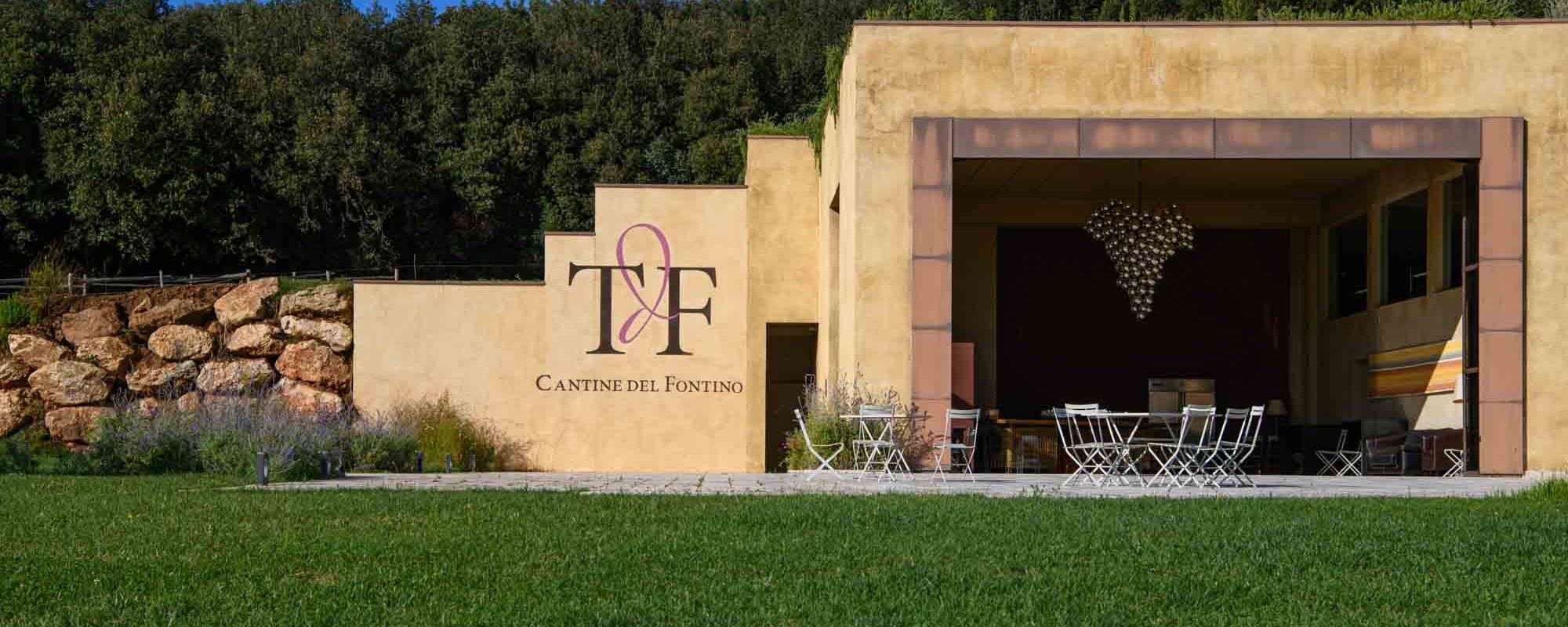
Tuscany Maremma
But in contrast to Chianti and Montepulciano, the Maremma Tuscany (the Tuscany facing the sea) is characterized by long periods of drought and other climatic and geological conditions. The soil is characterized by a very high and poor clay content. While the Tyrrhenian Sea turned the area into a swampy region millions of years ago, today it is of crucial climatic importance: it is the strong alternation of dry, hot days and cool, windy nights that give wines from this area a very strong and distinctive character.
Weine des Weinguts
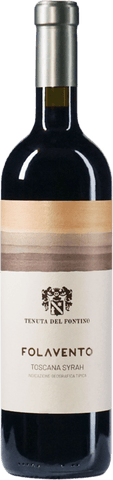
Folavento
2021
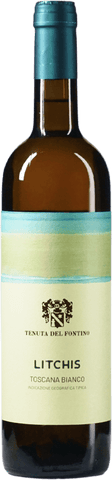
lychees
2023

Folavento
2022


Optimus
2022

Sophie
2022