

Nebbiolo






Nebbiolo

Bussia Special Barolo
2014

Barolo Barbadelchi
2020

Barolo Le Coste di Monforte
2017

Barolo Monforte d'Alba
2021


Barolo Bricco San Pietro
2017

Barolo Campè Riserva Magnum
2004

Barolo Campè
2014
Barolo Le Coste di Monforte
2019

Barolo Bricco San Pietro
2019

Barolo Monforte d'Alba
2022
Barolo Barbadelchi
2021
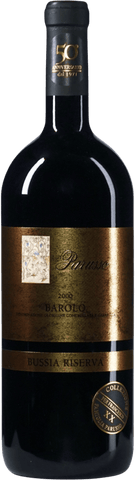
Bussia Riserva Oro Barolo double magnum
2000


Nebbiolo - The noble grape variety with demands and charisma
Nebbiolo is a grape variety with an aristocratic character – demanding to cultivate, complex in aroma, and unmistakable in taste. Known for its fine tannins, vibrant acidity, and deep aromatic complexity, Nebbiolo produces wines that combine tension, elegance, and aging potential. Whether young with delicate fruit or aged with velvety depth, this variety demonstrates how precise craftsmanship and terroir can work together. Nebbiolo is one of the world's great grape varieties – fascinating for connoisseurs, challenging for winemakers, and rewarding for anyone seeking depth and finesse in their glass.
Biology of the Grape / Ampelography
The Nebbiolo grape is small, thin-skinned, and has highly concentrated pulp. It contains an enormous density of tannins and color pigments, which are responsible for its typical ruby to garnet red color. Characteristic of Nebbiolo wines is that they lighten in color with age – a hallmark of the variety. Its high concentration of phenols and thin skin also make it susceptible to weather and rot, which requires careful vineyard management.
Ampelographically, Nebbiolo shows dense vine shoots, large leaves with deep incisions, and late-ripening grapes. This late ripening makes it a true diva among red wine vines – sensitive to weather changes, but grateful when sun and wind play together harmoniously. The name "Nebbiolo" is derived from the Italian word "nebbia" (fog) – an allusion to the often foggy autumn days in Piedmont when the grapes reach their full ripeness.
Climate, Soil & Cultivation Conditions
Nebbiolo demands perfect conditions: warm, south-facing sites and cool nights to preserve freshness. The ideal climate is continental, with clear temperature differences between day and night. Too much heat can flatten the aromatics, while too little sun prevents ripening – a fine line that only experienced winemakers can balance.
The soils play a central role. Nebbiolo loves calcareous, marly, and sandy soils with good drainage – such as those found in Piedmont. These soils give the wines their typical delicate structure and elegant minerality. In the higher altitudes of Barolo or Barbaresco, this results in wines with cool freshness, floral notes, and delicate acidity. In warmer zones, they appear fuller, more powerful, and with darker fruit.
Work in the vineyard is also crucial: Nebbiolo requires low yields and careful yield regulation. Only when every grape receives sufficient sun can it develop the full potential of its tannin structure and aromatic depth. Harvesting usually takes place late – often into October – making the grape variety a true test of patience.
Aging, Style & Typical Character
Hardly any grape variety combines power and elegance as Nebbiolo does. Young wines show aromas of sour cherry, violet, tar, dried herbs, and rose petals – a fascinating interplay between floral delicacy and earthy spice. With increasing age, notes of truffle, tobacco, leather, and licorice emerge. This combination of aroma, structure, and depth makes Nebbiolo unique.
Aging traditionally takes place in large Slavonian oak barrels or, more recently, in small barriques. Large barrels preserve freshness and terroir character, while barriques provide additional depth and spice. Many winemakers combine both – the trend is towards less wood and more transparency. In any case, Nebbiolo needs time: only after several years of bottle aging does it reveal its full dimension. The tannins, initially grippy and present, become silky and harmonious with time. At the same time, the acidity remains pronounced, giving the wines longevity and tension.
The style varies depending on its origin: while classic Nebbiolo wines are powerful, complex, and structured, modern interpretations often show a softer, fruitier side. Common to all is the balance between depth, freshness, and complexity – the essence of what makes Nebbiolo so fascinating.
Famous Growing Regions & Regional Characterization
The undisputed home of Nebbiolo is Piedmont in Northern Italy. Here, the most famous representatives such as Barolo and Barbaresco are produced – both wines with great aging potential, complex structure, and aromatic depth. Barolo is considered the more powerful, masculine style, while Barbaresco appears somewhat more elegant and approachable. Further north, in Gattinara and Ghemme, more mineral, lighter variations with finer tannin structures emerge. In Lombardy, especially in the Valtellina valley, Nebbiolo – known there as "Chiavennasca" – shows alpine finesse and cool precision.
Outside of Italy, Nebbiolo has also taken root: In California, Oregon, Australia, or South America, winemakers are experimenting with this grape variety. Here, independent interpretations emerge – often somewhat riper in fruit, with a softer tannin structure, but always with the typical aromatic profile that makes Nebbiolo so unmistakable. Despite international successes, Piedmont remains the heart of this grape variety – a benchmark against which all others are measured.
Grape Variety at Vioneers - Relevant Wineries / Collections
At Vioneers, you will find Nebbiolo wines that showcase this grape variety in all its depth. Particularly noteworthy is the Diego Pressenda winery from Piedmont – known for authentic, handcrafted wines with a focus on structure and elegance. Here, artisanal precision meets regional tradition: fruit, tannin, and acidity combine to create a balanced overall picture that perfectly captures the soul of Nebbiolo.
Furthermore, our assortment includes other Nebbiolo interpretations that show how multifaceted the grape variety can be – from classic and serious to modern and charming. This creates a spectrum that appeals to both lovers of traditional styles and curious discoverers.
FAQ - Frequently Asked Questions about Nebbiolo
Is Nebbiolo an indigenous grape variety?
Yes. Nebbiolo is deeply rooted in Piedmont and is considered an indigenous grape variety of Northern Italy. Its history dates back to the 13th century.
When is the best harvest time?
Harvesting usually takes place late in autumn – often in October. It is crucial that the grapes fully ripen without losing their natural acidity. Only then is the balance between power and finesse achieved.
What does Nebbiolo taste like?
Nebbiolo combines notes of red fruits, violet, tar, leather, and spices. On the palate, it shows distinctive tannins, vibrant acidity, and great depth. With age, it becomes softer, more complex, and harmonious.
Which food pairing goes well with Nebbiolo?
Dishes with structure and depth are ideal – such as pot roasts, game, aged cheese, or truffle dishes. The powerful tannin structure harmonizes perfectly with proteins and intense flavors.
How long can Nebbiolo age?
Top wines can age for 20 years or more. During this time, they develop tertiary notes of tobacco, truffle, licorice, and dried fruits, without losing freshness.
Is Nebbiolo only found in Italy?
No, winemakers outside of Italy also cultivate the variety – for example, in California or Australia. Nevertheless, Piedmont remains the origin and stylistic reference for all Nebbiolo wines worldwide.