

Lemberger






Lemberger

Heimat Blue Label
2022

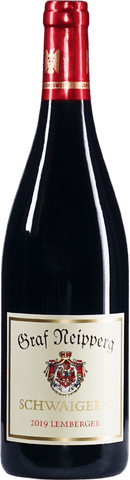
Schwaigern Lemberger Ortswein
2019

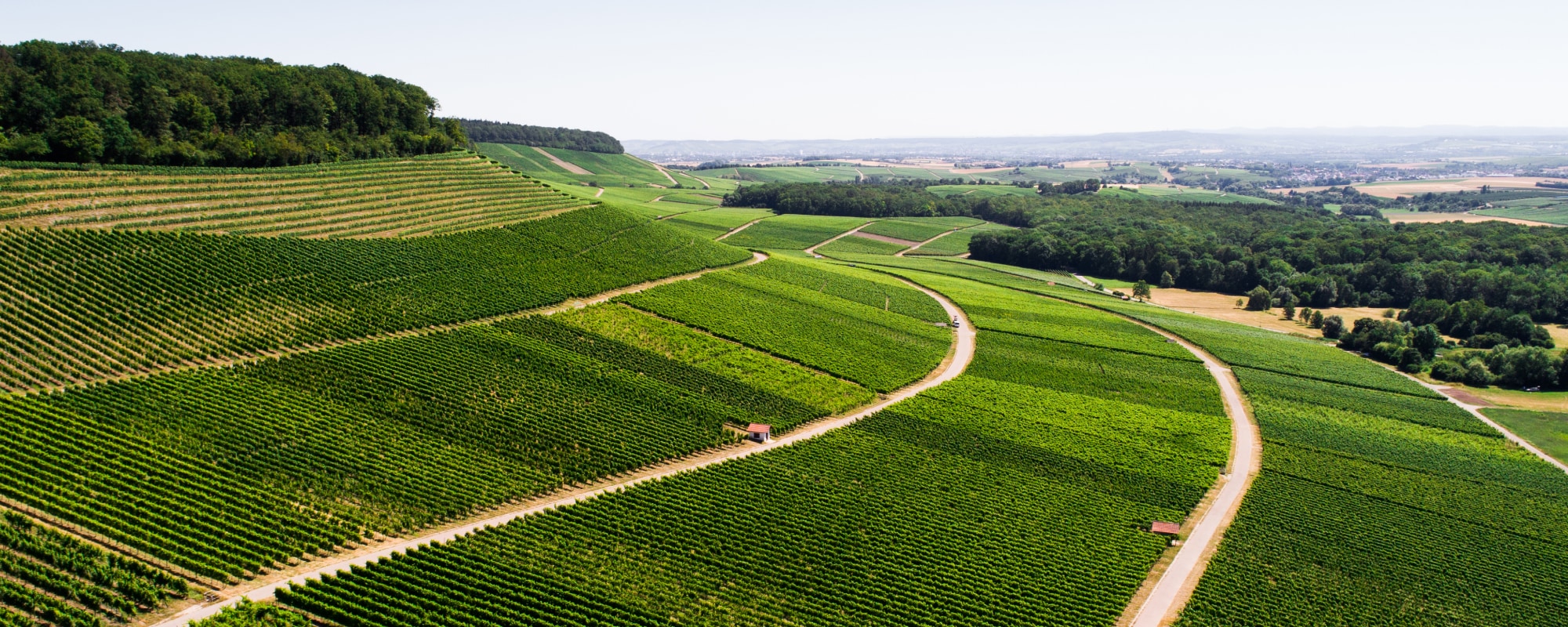
Lemberger (Blaufränkisch) - Character, Depth, and Origin in the Glass
Lemberger – known in Austria as Blaufränkisch – is a grape variety with poise. Not a smoothed-over crowd-pleaser, but a wine with character, tension, and depth. Its aromas oscillate between dark fruit, peppery spice, and mineral freshness. It shows that red wine from Central Europe has long been on par with international classics – independent, powerful, and distinctive. Lemberger stands for terroir, craftsmanship, and the courage to be authentic.
Biology of the Grape / Ampelography
The Lemberger grape belongs to the Pinot family but is more distinctive, edgy, and expressive. Its berries are small, thick-skinned, and rich in pigments and tannins – making them ideal for age-worthy red wines. It ripens late and requires warm sites with good ventilation. The variety has a pronounced acidity profile and, when properly vinified, produces wines with structure, length, and enormous aging potential. The plant itself is robust but demanding in terms of yield – quality here comes from reduction and patience.
Climate, Soil & Cultivation Conditions
Lemberger loves mineral-rich, calcareous soils and a moderately warm climate. In Germany, the best sites in Württemberg are its home – there it benefits from the mild influence of the Neckar valley and the Keuper soil, which gives the wines power and spice. In Austria, especially in Burgenland, Blaufränkisch thrives on slate and loam – here, refined wines with cool fruit and exciting minerality are produced. Depending on the region, the variety shows itself differently: sometimes earthy and dense, sometimes juicy and elegant – but always with perceptible origin and backbone.
Maturation, Style & Typical Character
Lemberger is not a wine that pushes itself into the foreground – it builds tension. Typical aromas include blackberries, cherries, blackcurrants, and pepper, often accompanied by tobacco, leather, and a fine herbal spice. Its tannins are present but silky, its acidity lively – it is precisely this balance that makes it so fascinating. In stainless steel tanks, it shows precision and freshness; in wooden barrels, it gains depth and structure. The best examples, in their elegance, are reminiscent of great Syrahs or cool Pinot Noirs – only with more spice and character. When matured, Lemberger develops notes of truffle, cedarwood, and dried berries – subtle but lasting.
Famous Growing Regions & Regional Characteristics
In Germany, Württemberg has established itself as a stronghold of Lemberger. Here, from uncomplicated country wines to impressive, multi-layered red wines from Grand Cru sites, often blended with Spätburgunder (Pinot Noir) and Cabernet Cuvées, are produced. Especially in the Rems Valley and around Heilbronn, ambitious winemakers show how much depth this variety can develop. In Austria – especially in Central and Southern Burgenland – Blaufränkisch embodies the image of a modern, mineral-driven red wine: precise, cool, and structured. Both countries share a passion for a grape variety that was long underestimated, but today stands for authenticity and regional character.
Grape Variety at Vioneers - Relevant Wineries / Collections
At Vioneers, you will find Lemberger in its full stylistic range – from powerful red wines with dark fruit to elegant, finely structured terroir wines. Weingut Graf Neipperg, like hardly any other, stands for the renaissance of Lemberger in Germany: dense, spicy wines with aristocratic composure. Weingut Albrecht Schwegler interprets the variety in a modern way – concentrated, elegant, and with an unmistakable signature. Together, they show what is possible when craftsmanship, origin, and patience come together.
FAQ
Is Lemberger the same as Blaufränkisch?
Yes, it is the same grape variety. In Germany it is called Lemberger, in Austria Blaufränkisch – but stylistically closely related, only regionally differently characterized.
What does Lemberger taste like?
Dark berries, pepper, herbs, and a fine earthy note. The wines are structured, spicy, and elegant – often with fresh acidity and silky tannins.
Is Lemberger fruity or tart?
Both – depending on the vinification. Young Lemberger shows fruity juiciness, mature wines tend to have more depth, spice, and fine bitter notes in the finish.
How long can Lemberger age?
High-quality Lemberger or Blaufränkisch wines can easily age for 10-15 years. Over time, they develop complex tertiary aromas and a velvety texture.
What does Lemberger pair well with?
Ideal with game, beef, mushroom dishes, or strong cheese. Its spiciness harmonizes excellently with dark sauces and hearty dishes.