

Grenache






Grenache

La Marciana
2019

Vermouth Benito Escudero Gran Reserva

La Marciana
2020


La Marciana wooden box
2019

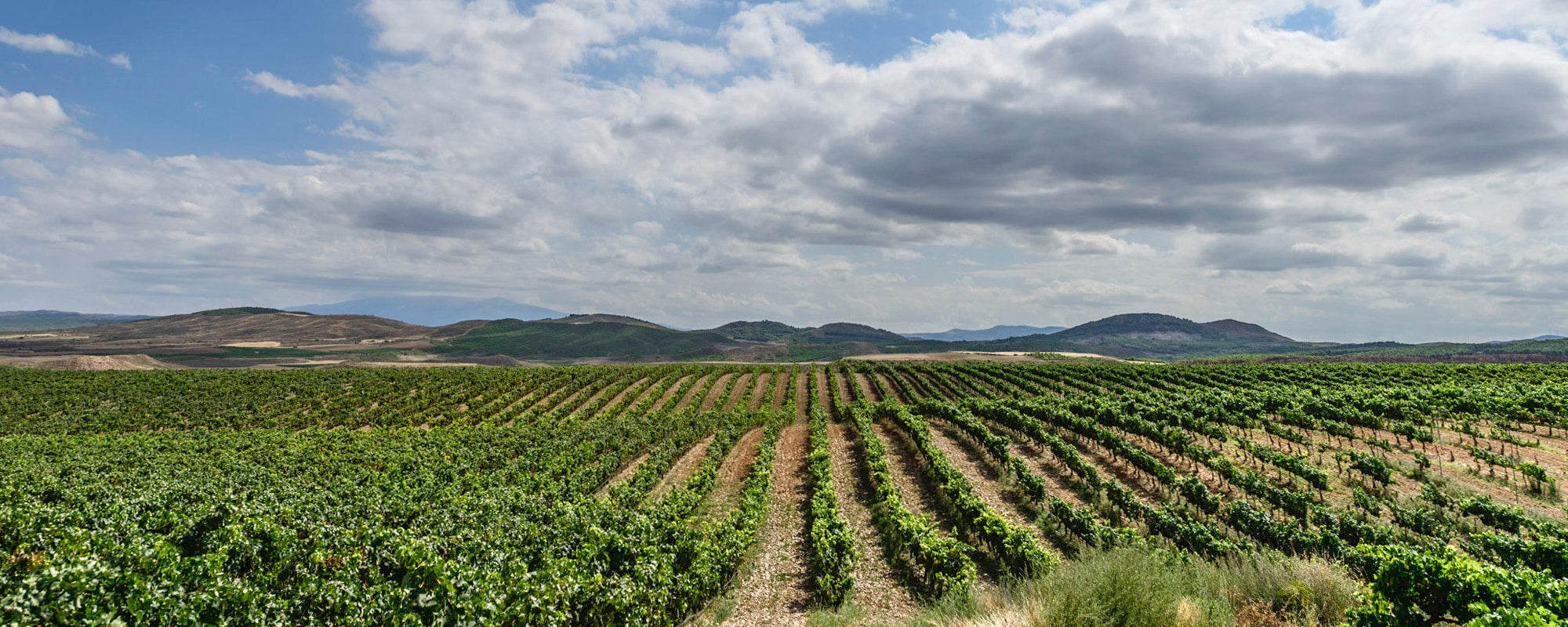
Grenache (Garnacha) – Sunny Soul of the South
Grenache - known in Spain as Garnacha - is a grape variety full of Mediterranean energy.
It represents warmth, sunshine, and the lifestyle of southern wine regions. Its wines are juicy, spicy, and naturally serene - with aromas reminiscent of red fruits, herbs, and the scent of dry earth. Whether as a sophisticated red wine, rosé, or rarer white wine: Grenache brings character to the glass without being loud - charming, honest, and grounded.
Biology of the Grape / Ampelography
Grenache is one of Europe's oldest and most widespread red grape varieties. Its berries are medium-sized, thin-skinned, and have a high sugar content - the basis for warm, full-bodied wines with a comparatively moderate tannin structure. It is late-ripening, loves sun and wind, and its vines can live for decades. Typical characteristics include loose bunches, small berries, and vigorous growth - ideal for dry, barren sites where other varieties would long since have given up.
Climate, Soil & Growing Conditions
Grenache is a true child of the south: it thrives in hot, dry climates with plenty of sun and windy conditions. Lean, stony soil is its element - limestone, slate, and granite bring structure and minerality. In Southern France (Rhône, Languedoc, Roussillon), it benefits from the Mistral, and in Spain (Aragón, Rioja, Priorat), from the Mediterranean microclimate. The variety is extremely adaptable: where Cabernet and Pinot Noir reach their limits, Grenache truly thrives. It produces concentrated, aromatic grapes even under dry conditions - a gift for sustainable viticulture.
Winemaking, Style & Typical Character
Wines made from Grenache or Garnacha display intense aromas of strawberries, cherries, and plums, accompanied by herbs, pepper, and sometimes a hint of cocoa. In the glass, they appear warm and soft, with rounded acidity and supple tannins. The alcohol content is often a bit higher - typical for southern wines with ripe fruit. While French Grenache wines (e.g., from Châteauneuf-du-Pape or Gigondas) tend to be spicier and more structured, Spanish Garnachas are juicier, fruitier, and a bit wilder. Aged in oak barrels, they develop additional depth, notes of leather, rosemary, and dark chocolate. And as Cannonau from Sardinia, the variety brings a Mediterranean spice with a hint of salty minerality to the fore.
Famous Growing Regions & Regional Characteristics
France and Spain are the heartlands of the Grenache world. In Southern France, it is the soul of great appellations such as Châteauneuf-du-Pape, Gigondas, and Côtes du Rhône - mostly in blends with Syrah and Mourvèdre. In Languedoc and Roussillon, old vines produce concentrated, spicy wines with impressive depth. In Spain, its presumed homeland, it shows its full diversity under the name Garnacha: from powerful in Priorat to elegant in Rioja, to juicy and fresh in Aragón or Navarra. In Sardinia, it is called Cannonau and produces spicy, Mediterranean-influenced wines there - with hints of herbs, figs, and a touch of sea salt. Despite all regional differences, the DNA remains the same: warmth, fruit, spice, and a touch of nonchalance.
Grape Variety at Vioneers – Relevant Wineries / Collections
At Vioneers, you will find Grenache in all its European diversity. The Spanish winery La Marciana stands for authentic Garnacha from traditional vineyards - with clear fruit, fine spice, and Mediterranean flair. These wines embody what Grenache is all about: sunshine in the glass, depth in flavor, and a naturalness that you can feel. Discover how differently Garnacha can taste depending on the region - from juicy and fruity to complex and ripe.
FAQ
Is Grenache fruity?
Yes, absolutely. Red fruits like strawberries, raspberries, and cherries are typical. Depending on the origin, spicy or herbaceous notes may also be present.
Is Grenache the same as Garnacha?
Yes. They are the same grape variety – in Spain, it is called Garnacha; in France, Grenache. Stylistically, French wines are usually spicier, while Spanish ones are fruitier and more opulent.
How does Grenache typically taste?
Soft, warm, and harmonious. It has moderate acidity, ripe fruit, fine spice, and a velvety mouthfeel. With age, it shows depth, herbaceous aromas, and a subtle smokiness.
What foods pair well with Grenache?
Perfect with Mediterranean dishes, grilled meats, lamb, oven-roasted vegetables, and aromatic tapas. It is also a harmonious partner for hard cheeses or herb-based cuisine.
What distinguishes Grenache from other red wines?
Its warmth and accessibility. Grenache is rarely austere or tannic - it thrives on richness, charm, and the ability to transform sunshine into wine.